A standard residential roof restoration takes 2 to 5 days from start to finish.
The actual number depends on your roof’s size, material, and how much repair work is hiding underneath. A simple tile roof on a single-storey home might wrap up in three days. A larger property with cracked ridge caps and years of moss buildup could stretch closer to a full week.
Most homeowners just want a straight answer before they commit. So here’s what each stage of a roof restoration involves and where the time actually goes.
Related: Not sure whether your roof needs a full restoration or just targeted repairs? Read our guide on what roof restoration actually involves or check out the cost breakdown for roof restoration.
What Happens at Each Stage of a Roof Restoration
A roof restoration has several stages, and some take longer than others. Here’s what happens and roughly how long each part takes.
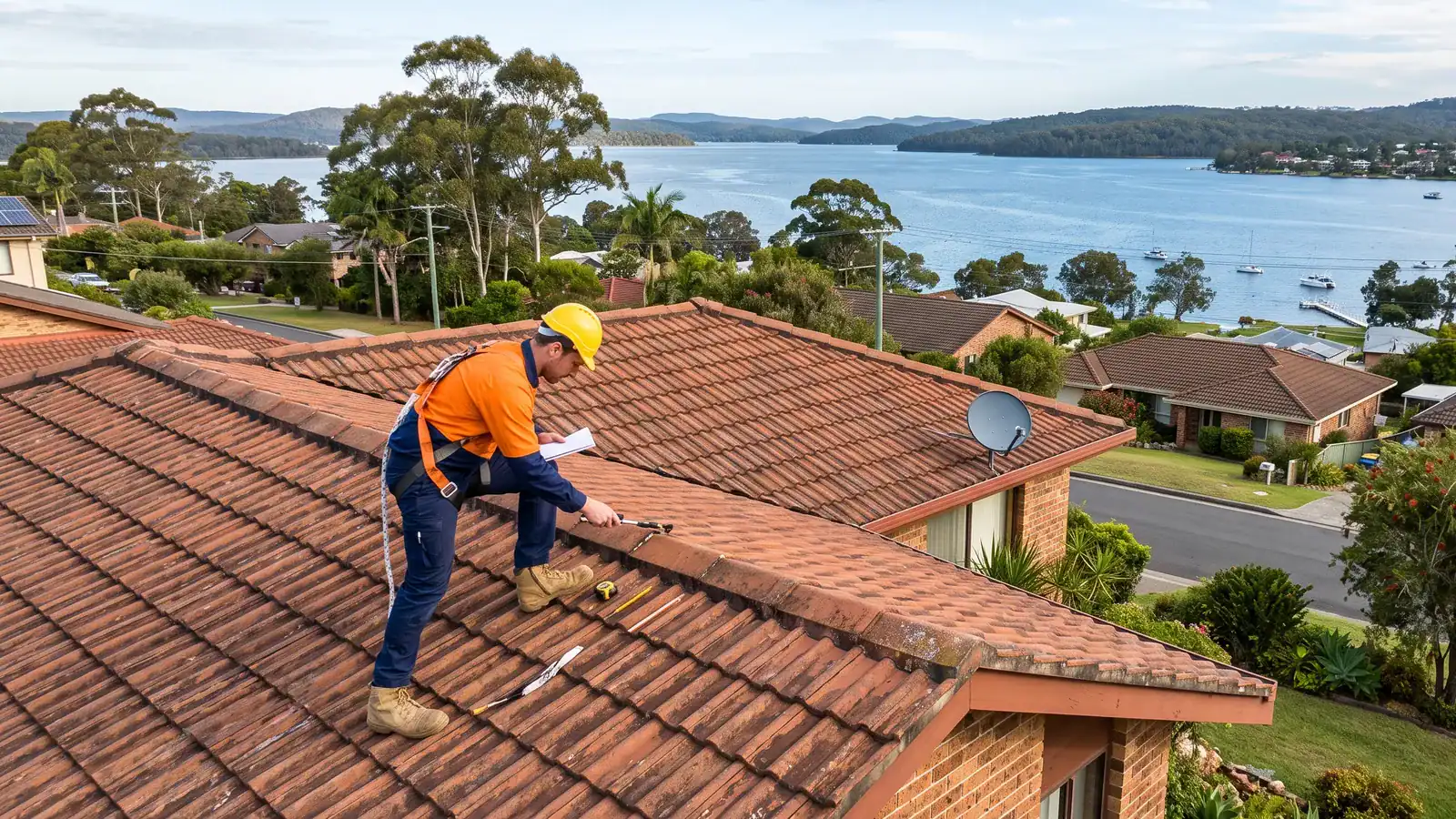
- Inspection (30 minutes to 1 hour): The roofer walks the roof checking for cracked tiles, damaged pointing, rust spots, and structural issues. This sets the scope of everything else.
- Pressure cleaning (half a day to 1 full day): A professional pressure clean strips moss, lichen, dirt, and loose paint. The roof needs to dry completely before any coatings go on, so weather matters here.
- Repairs (1 to 3 days): Cracked or broken tiles get replaced. Ridge caps are rebedded and repointed with flexible pointing compound. Rusted valleys, flashings, and screws are swapped out. This stage varies the most because the extent of hidden damage only becomes clear after cleaning.
- Priming and sealing (half a day): A primer coat goes down to help the topcoat bond properly. Some roofs need a dedicated sealer for porous tiles.
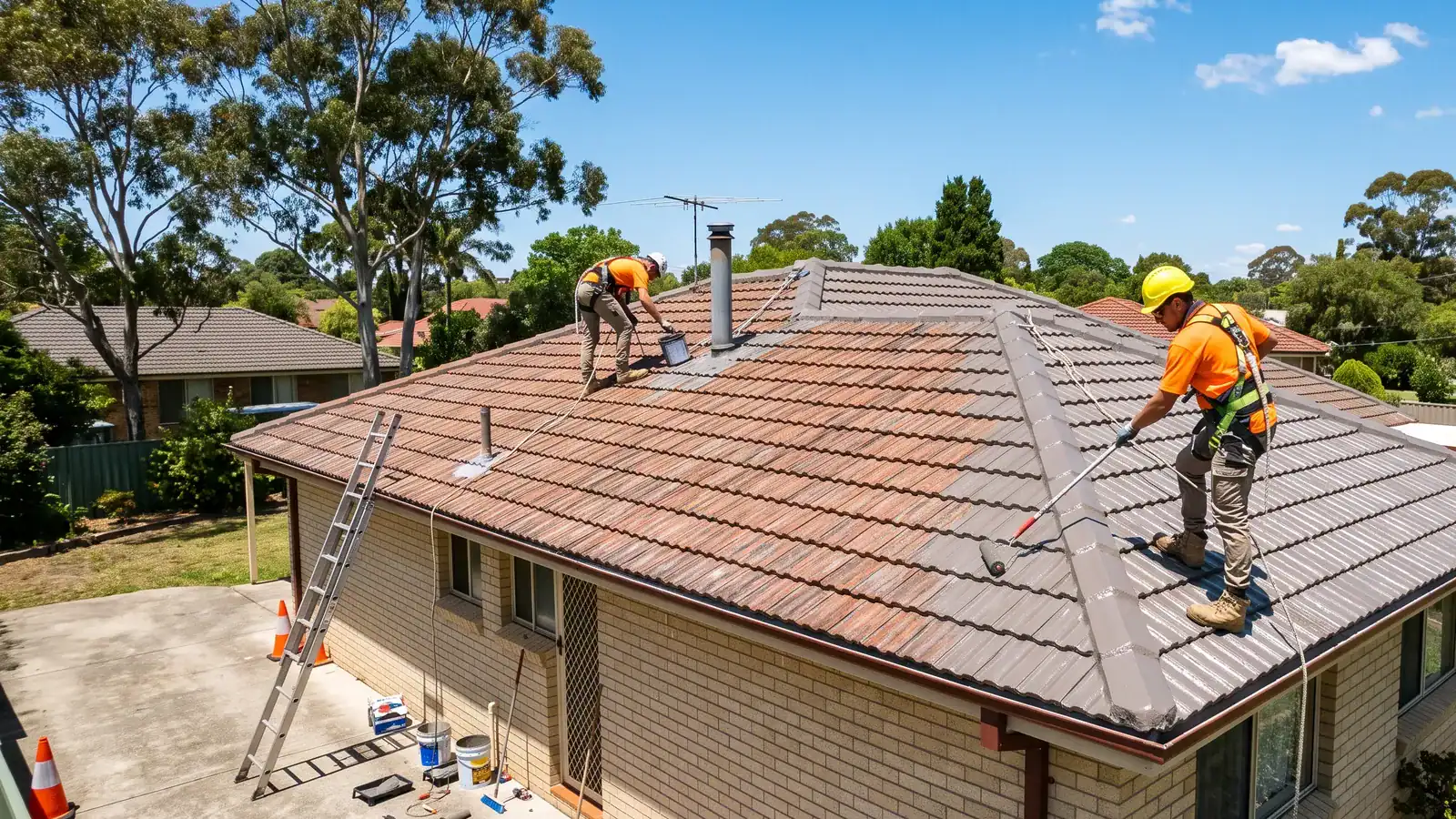
- Coating or painting (1 to 2 days): Two coats of roof membrane or paint are applied, with drying time between each coat. Humid or cool conditions slow drying.
- Final inspection and cleanup (1 to 2 hours): The roofer checks coverage, touch-up spots, and clears debris from gutters and the ground.
The repairs stage is where timelines blow out. A roof that looks fine from the street can be hiding crumbling bedding, waterlogged battens, or hairline cracks that only show up once the pressure wash strips everything back. This is the stage that catches homeowners off guard most.
How Long Does a Roof Restoration Take by Roof Type
The material on your roof changes both the work involved and the time required. Concrete tiles need more repair work than metal, but metal roofs can have rust problems that take longer to treat properly.
| Roof Type | Typical Timeframe | Common Extras That Add Time |
|---|---|---|
| Concrete tile | 3 to 5 days | Ridge cap rebedding, broken tile replacement, valley repairs |
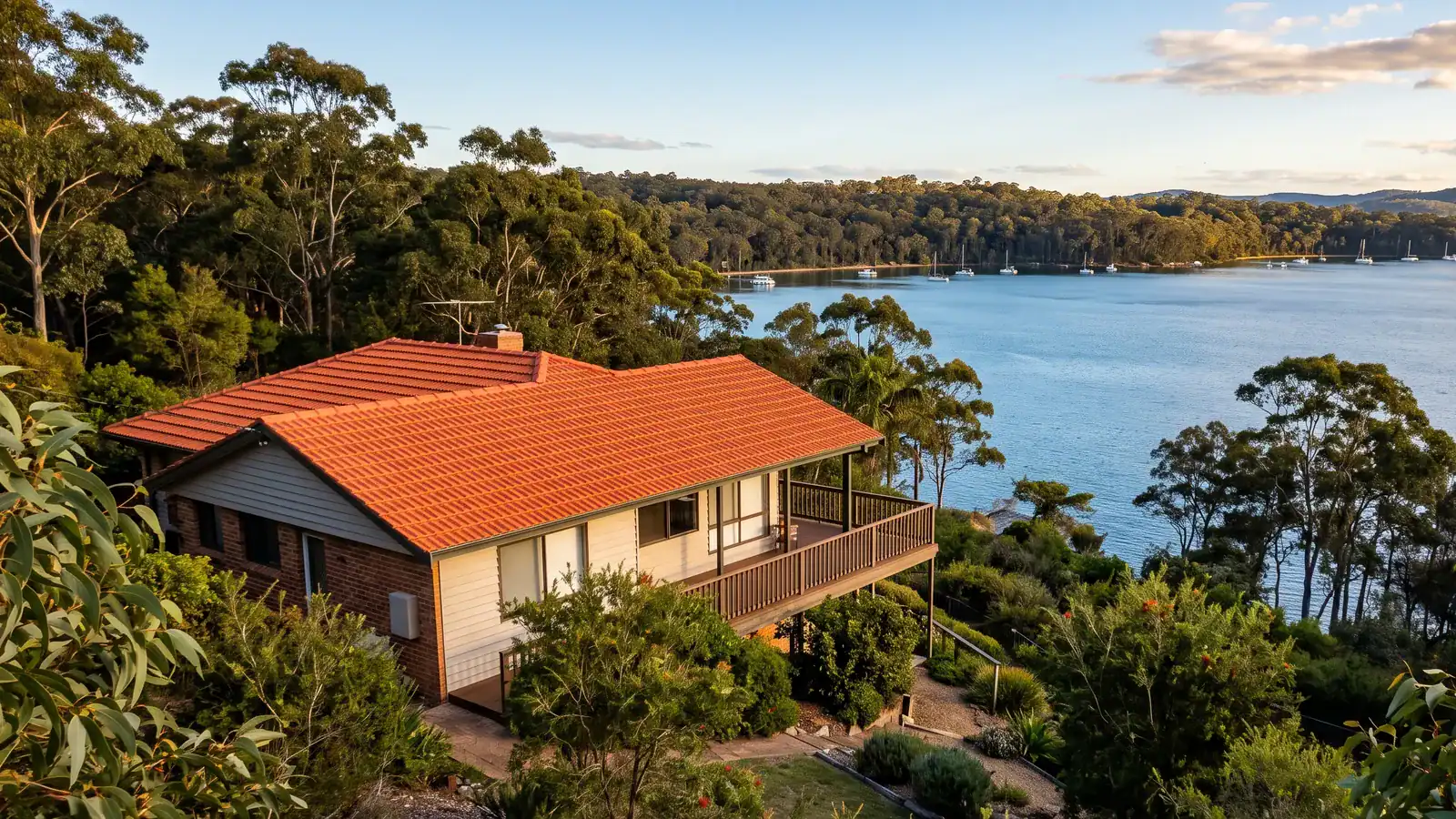
| Terracotta tile | 3 to 5 days | Fragile tiles need careful handling; matching replacement tiles can cause delays |
| Metal / Colorbond | 2 to 4 days | Rust treatment, screw replacement, flashing repairs |
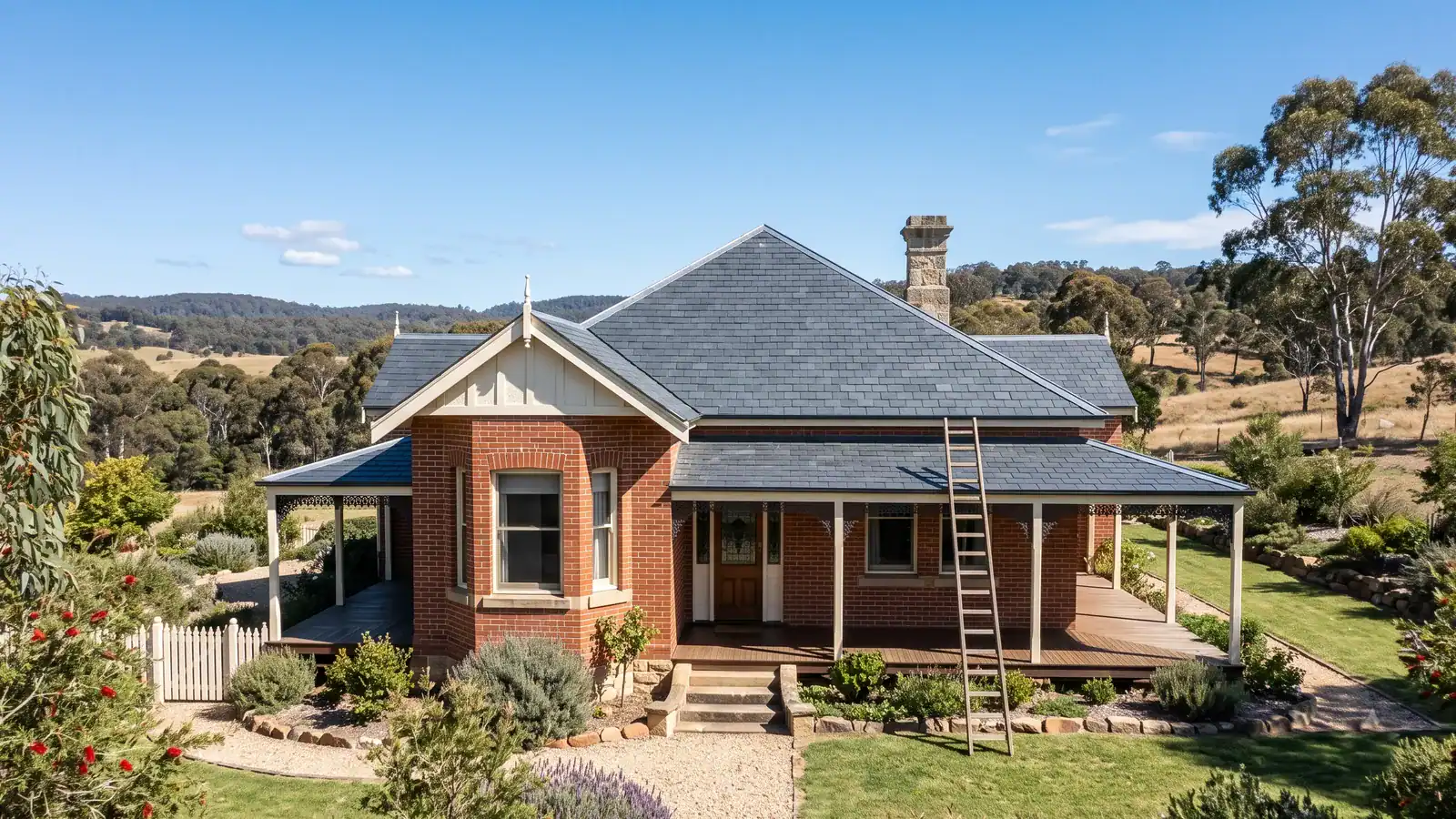
| Slate (less common) | 4 to 7 days | Specialist material; cracked slates harder to source |
These ranges assume a standard single-storey home with roughly 150 to 250 square metres of roof area. Multi-storey homes, steep pitches, or roofs with difficult access (like those backing onto bushland) add time for scaffolding and safety setup.
Six Factors That Push the Timeline Out
Plenty of jobs run past the original estimate. These are the usual reasons why.
- Roof size and complexity. A simple hip roof on a 3-bedroom house is faster than a multi-level roof with dormers, skylights, and multiple valleys. Every extra detail means more cutting, sealing, and drying time.
- Hidden damage. Soft or waterlogged battens, rusted fixings, and crumbling mortar only show up once cleaning is done. Budget an extra 1 to 2 days if your roof hasn’t been touched in 20+ years.
- Weather. Rain stops work entirely. High humidity slows paint and membrane drying. On the Central Coast and around Newcastle, afternoon storms in summer can wipe out half a day. Most roofers won’t coat a roof if rain is forecast within 24 hours.
- Roof pitch. Steeper roofs require harness systems and slower movement. A roof pitched above 25 degrees takes noticeably longer than a standard 22-degree pitch.
- Asbestos. If your home was built before the mid-1980s, there’s a chance the roof contains asbestos sheeting. This requires licensed asbestos removal, which adds both time and cost. Your roofer should flag this during the initial inspection.
- Material sourcing. Matching terracotta tiles for a partial replacement can take days if the profile is discontinued. Metal roofing is generally easier to source on short notice.
Tip: Ask your roofer for a written scope of work before the job starts. A detailed quote that lists each stage and the expected timeframe protects you from surprises. Any licensed contractor operating under NSW Fair Trading should be willing to provide this.
Can You Stay Home During a Roof Restoration
Yes. You can stay in your home for the entire restoration. The work happens on the roof, not inside the house.
There’s no need to move furniture, protect floors, or relocate your family.
Expect noise from the pressure washer on day one and from grinding during repairs. If you work from home, plan your calls around the early morning start. Pets that panic at loud sounds are better off with a neighbour for the day.
- Park your car away from the house to avoid overspray and debris
- Pull washing off the line on cleaning day
- Close windows on the side being pressure washed
- Keep kids and pets out of the yard while work is underway
The one exception is asbestos removal. If your roof has asbestos sheeting, you’ll need to clear out during that part. Your contractor will let you know in advance.
How Central Coast Weather Affects Scheduling
Roof restoration is weather-dependent work. On the Central Coast, Newcastle, and through the Hunter Valley, the best windows for restoration are autumn (March to May) and early spring (September to November). These months give warm, dry days with lower humidity, meaning coatings cure properly and rain delays are less likely.
Summer storms are the biggest disruptor. Afternoon thunderstorms roll in with little warning between December and February. A single downpour on a freshly primed roof means waiting another day for drying before the topcoat goes on.
- Autumn and spring: Fastest completion times, fewest weather delays
- Summer: Hot mornings are good for drying, but afternoon storms cause delays
- Winter: Shorter days and morning dew slow coating work; frost can delay starts until mid-morning
If you’re near Lake Macquarie, seasonal conditions there have their own patterns. Our guide on the best time to restore a roof around Lake Macquarie covers them in detail.
Salt air along the coast also affects how quickly some coatings cure. In coastal suburbs, salt air can shorten the life of standard roof paint if the coating system is not matched to the conditions. David at All Pro Roof Restoration has been restoring coastal roofs across the Central Coast since 2005 and builds weather windows into every job schedule.
What About the Lead Time Before Work Starts
The 2 to 5 days on the roof is only part of the picture. Most homeowners also need to account for the time between getting a quote and the crew actually showing up.
- Getting quotes: Allow 1 to 2 weeks for 2 or 3 quotes. A roof inspection for quoting takes about an hour per contractor.
- Booking in: Depending on the season, wait times range from 1 to 6 weeks. Autumn is the busiest period for restorations.
- Material ordering: Standard Colorbond colours and concrete tiles are usually in stock. Discontinued tile profiles or custom paint colours can add 1 to 2 weeks.
From first phone call to completed restoration, a realistic total timeline is 4 to 10 weeks. The work itself is quick, but the planning and scheduling window matters.
If your roof is leaking or damaged, mention it when you call. Most licensed roofers will prioritise urgent roof repairs and schedule the full restoration separately.
How to Get an Accurate Timeframe for Your Roof
Everything above is a guide. Every roof is different, and the only way to pin down your actual number is to get a licensed roofer up there to have a proper look.
A good roofer will check the material type, ridge and valley condition, soft spots in the substrate, and access challenges. All of this feeds into a written scope of work with a realistic timeframe.
When choosing a contractor, look for:
- A current NSW Fair Trading licence (check licence number 178790c for All Pro Roof Restoration)
- Public liability insurance
- A written timeline as part of the quote
- Owner-operated, where the person quoting is the same person doing the work
All Pro Roof Restoration services the Central Coast, Newcastle, Lake Macquarie, Hunter Valley, and Port Stephens. Contact All Pro Roof Restoration for a free quote and professional roof assessment.
Frequently Asked Questions
How long do the results of a roof restoration last?
Lifespan depends on the products used. A Dulux Acratex membrane system carries a 10-year product warranty from the manufacturer, and many coatings hold up for 15 years before they need reapplication.
The underlying repairs (rebedded ridge caps, replaced tiles, new flashings) often last longer than the coating itself.
Is a roof restoration worth the money?
For most homes with structurally sound frames and rafters, yes. A restoration is a fraction of the cost of a full replacement, and with the right coating system it extends the roof’s useful life by years. Street appeal improves too, which matters if you’re planning to sell.
Does weather delay roof restoration work?
Rain stops work entirely. No roofer should apply coatings or sealants in wet conditions. High humidity slows drying and strong wind can affect spray application.
Your roofer will monitor the forecast and adjust the schedule accordingly.
What is the difference between roof restoration and roof replacement?
Restoration repairs, cleans, and recoats the existing roof. Replacement strips everything off and installs new materials from the battens up.
Restoration takes 2 to 5 days. Replacement takes 1 to 3 weeks and costs a lot more. If your roof structure is sound but the surface is deteriorating, restoration is usually the better option.
Do I need council approval for a roof restoration?
Generally no. A like-for-like restoration (same material, same colour) is classified as exempt development in NSW.
If you’re changing the roof material or altering the appearance significantly (switching from tiles to Colorbond, for example), you may need a complying development certificate. Check with your local council if you’re unsure.
How do I know if my roof needs restoration or just repairs?
Localised issues (a few cracked tiles, one leaking valley) usually call for targeted roof repairs. Widespread fading, damaged pointing across multiple areas, or peeling coating all point toward a full restoration.
How much does a roof restoration cost?
Cost depends on your roof’s size, material, pitch, and how much repair work sits underneath. A small single-storey tile roof costs significantly less than a multi-level home with steep pitches, damaged valleys, and hard-to-source replacement tiles.
The only reliable way to get a figure for your roof is a professional inspection and written quote. Contact All Pro for a free assessment.
What is the best time of year for roof restoration?
Autumn (March to May) and early spring (September to November) are the best windows on the Central Coast and in Newcastle. These months bring warm, dry days with lower humidity, so coatings cure properly and rain delays are less common.
Summer work is possible but afternoon storms can slow the coating stages. Winter works too, though shorter days and morning dew push timelines out.
Can I stay in my home during a roof restoration?
Yes. The work happens on the roof, not inside the house. There is no need to move furniture or relocate your family. Expect noise from the pressure washer and grinder, and keep kids and pets out of the yard while work is underway.
The only exception is if asbestos sheeting needs to be removed. Your contractor will let you know in advance if that applies.