A full roof replacement becomes necessary when repairs can no longer fix the underlying damage to your roof structure.
Most homeowners put off thinking about their roof until something goes wrong. A leak appears, tiles start cracking, or the ceiling develops a brown stain after heavy rain.
If you are dealing with a leaking roof, the question is whether it can be fixed or needs full replacement. This guide covers the warning signs, costs, material options, and practical steps so you know exactly when replacement makes sense.
Need a professional opinion on your roof? Contact All Pro Roof Restoration for a free assessment, or read more about our roof repair services.
How Do You Know You Need a Roof Replacement?
The difference between a roof that needs repairs and one that needs full replacement comes down to the extent of damage. A few cracked tiles or a single leak point usually means repairs will do the job.
But when damage is widespread, or your roof is past its expected lifespan, patching things up just delays the inevitable. Spending thousands on repairs each year quickly becomes more expensive than replacing the whole thing.
Here are the signs that point toward a full roof replacement:
- Multiple active leaks appearing in different areas of the house
- Tiles crumbling or fretting when touched or walked on
- Sagging roof line visible from the street or backyard
- Rust holes in metal roofing that keep reappearing after patch repairs
- Roof is over 50 years old and has never been replaced
- Widespread mould or rot in the roof timbers or ceiling space
- Rising energy bills from poor insulation or gaps in deteriorating roofing that let conditioned air escape
If you are noticing two or more of these signs, it is worth getting a free quote from a licensed roofer before spending more on repairs.
Roof Replacement vs Roof Restoration
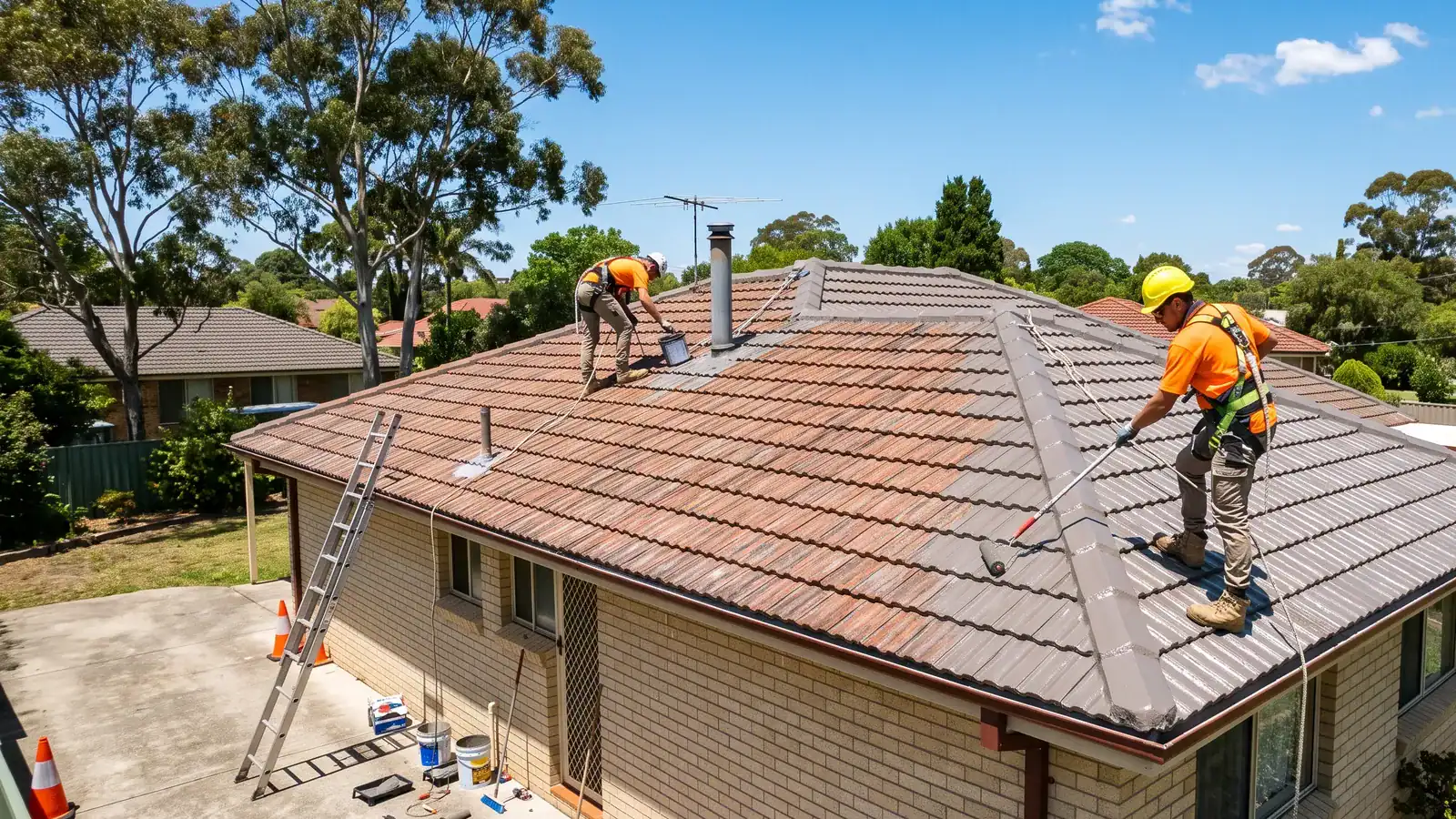
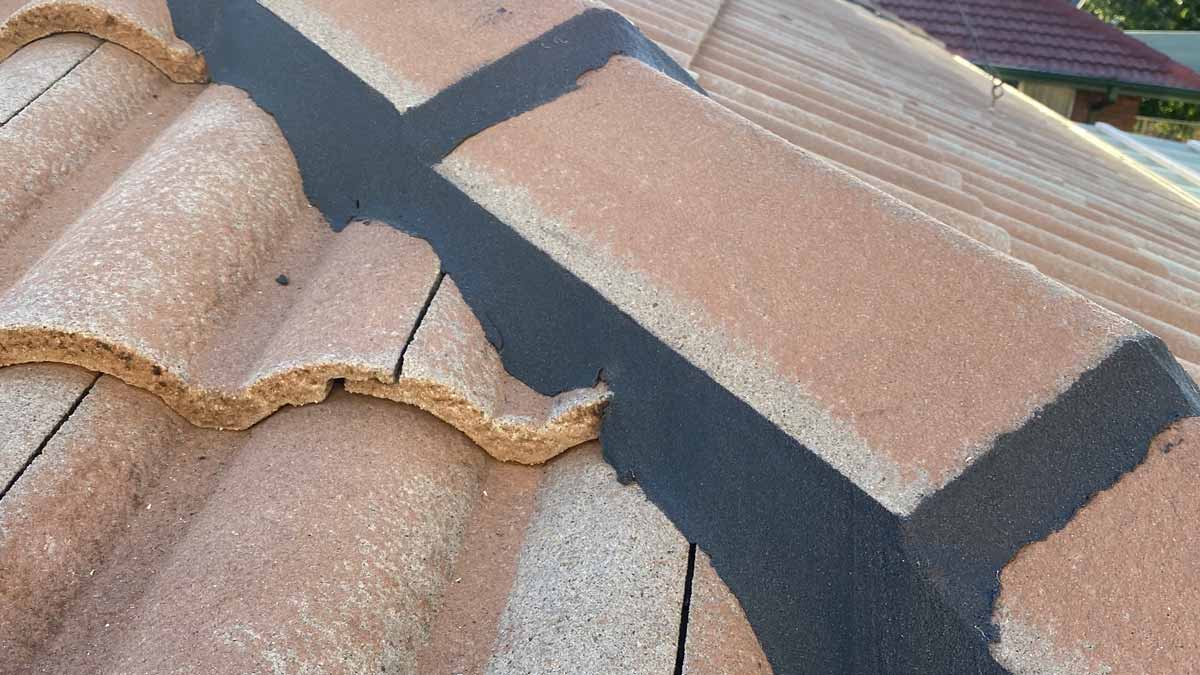
Homeowners often confuse roof replacement with roof restoration, but they are quite different jobs. Restoration involves cleaning, repairing minor damage, repointing ridge caps, and applying a protective coating to the existing roof surface.
A restoration works well when the roof structure is still solid and the surface just needs attention. It typically adds 10 to 15 years of life and costs a fraction of full replacement.
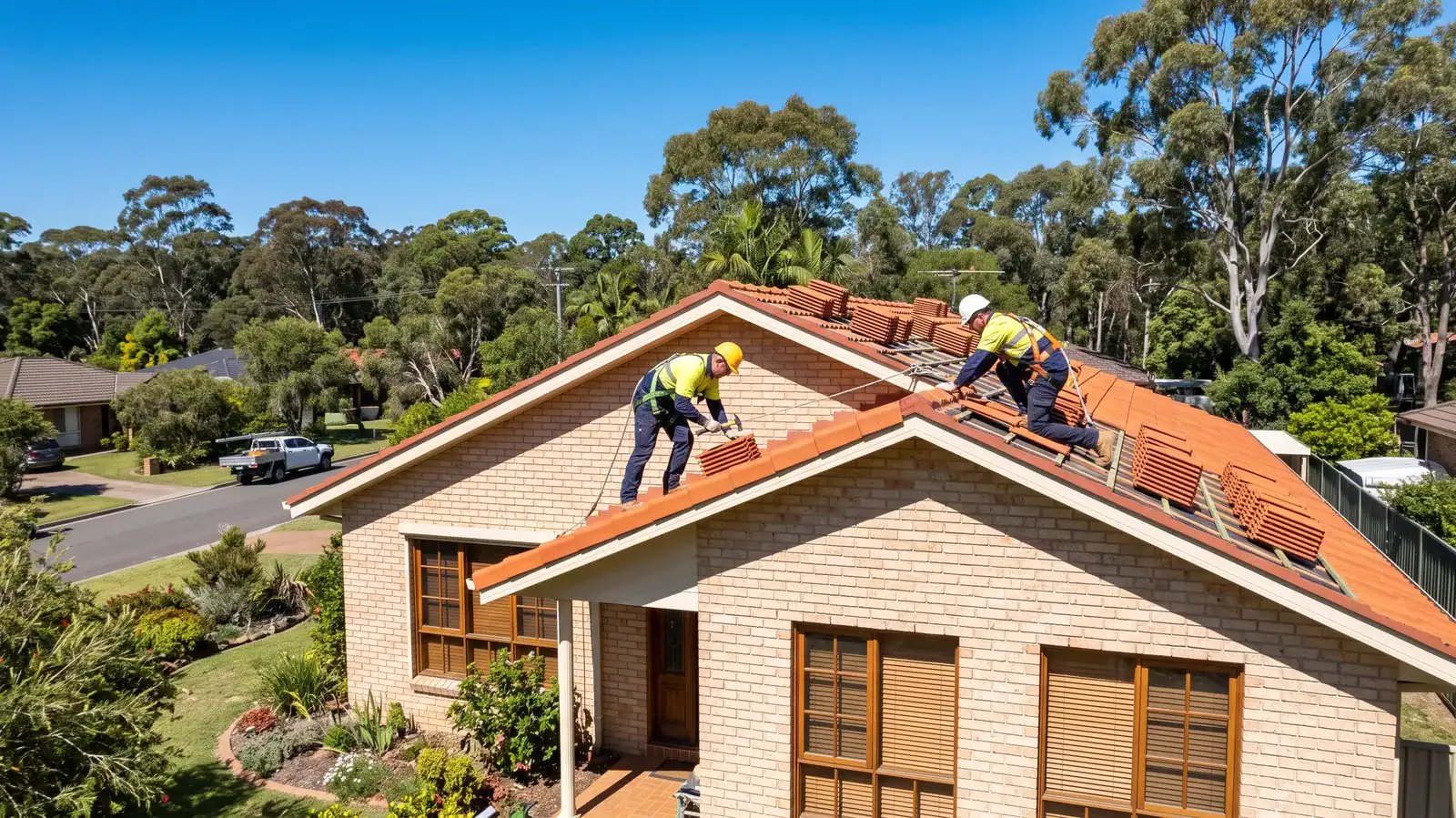
Replacement means stripping the old roof down to the timbers and installing a completely new roof. It is the right call when the structure itself is compromised.
| Roof Restoration | Roof Replacement | |
|---|---|---|
| Typical cost | $3,000 to $12,000 | $15,000 to $40,000+ |
| Timeline | 2 to 5 days | 1 to 3 weeks |
| Lifespan added | 10 to 15 years | 30 to 50+ years |
| Best for | Surface wear, faded paint, minor cracks | Structural damage, end-of-life roofing |
| Disruption | Low, often no need to vacate | Moderate, sections of the home exposed temporarily |
The smartest approach is to get an honest assessment from someone who does both. A roofer who only does replacements will always recommend replacement.
Compare how much roof restoration costs against replacement pricing to decide which option fits your situation.
What Does a New Roof Cost on the Central Coast?
For a typical Central Coast home, a new roof installation costs between $15,000 and $40,000 depending on the size of the roof, the materials chosen, and the complexity of the job. A straightforward single-storey home with a simple roof line sits at the lower end.
Two-storey homes, steep pitches, and heritage roofing push costs higher. Removal and disposal of old materials adds $2,000 to $5,000 on top.
The main cost factors include:
- Roof size measured in square metres (most Central Coast homes range from 150m² to 250m²)
- Material choice such as Colorbond steel, concrete tiles, or terracotta tiles
- Roof pitch and complexity including valleys, hips, and multiple roof lines
- Scaffolding and safety requirements for multi-storey homes
- Old roof removal and tip disposal fees
- Fascia, battens, and sarking replacement if the existing ones are damaged or below building code requirements
- Gutter replacement if the existing gutters are corroded or misaligned
Costs homeowners often miss: Scaffolding hire for two-storey homes, damaged battens or sarking discovered once the old roof comes off, gutter replacement, and asbestos removal for pre-1990 homes. These extras can each add thousands to the final bill, so ask your roofer to itemise them in the quote.
In NSW, any roofing work valued over $5,000 (including labour and materials) must be carried out by a licensed contractor. You can verify a roofer’s licence on the NSW Fair Trading website. All Pro Roof Restoration holds licence number 178790c.
For an accurate price on your specific roof, request a free quote from All Pro Roof Restoration.
Does Your Roof Contain Asbestos?
If your home was built before 1990, there is a good chance it contains asbestos cement roofing sheets (commonly called fibro). Asbestos was widely used in Australian construction until it was fully banned in December 2003.
Removing asbestos roofing is not a DIY job. NSW law requires a licensed asbestos removalist for anything over 10 square metres, and the material must be disposed of at an approved facility.
- Identification: A licensed assessor can test your roof material. Do not break, drill, or sand suspected asbestos
- Cost: Asbestos removal typically adds $30 to $60 per square metre on top of the standard replacement cost, depending on amount and accessibility
- Legal requirements: In NSW, a licensed removalist must handle the removal and disposal. SafeWork NSW oversees compliance
- Coastal factor: Older Central Coast and Newcastle homes near the water often have both asbestos roofing and accelerated salt corrosion, which makes replacement more urgent than inland properties
If you suspect your roof contains asbestos, mention it when booking your inspection. David will arrange a proper assessment before any work begins.
Which Roofing Material Should You Choose?
The three most common roofing materials for residential homes on the Central Coast are Colorbond steel, concrete tiles, and terracotta tiles. Each has trade-offs in cost, weight, lifespan, and maintenance.
Colorbond has become the most popular choice for roof replacements in the last decade. It is lighter than tiles, which means less stress on the roof frame, and it handles the coastal weather well. Read our guide to Colorbond roofing for NSW homes for a detailed breakdown.
| Material | Cost per m² | Lifespan | Weight | Maintenance |
|---|---|---|---|---|
| Colorbond steel | $50 to $70 | 30 to 50 years | Light | Low, occasional wash |
| Concrete tiles | $40 to $60 | 30 to 40 years | Heavy | Moderate, repointing needed |
| Terracotta tiles | $80 to $110 | 50 to 75 years | Heavy | Moderate, fragile to walk on |
If you are replacing a concrete tile roof, switching to Colorbond can reduce the load on your roof frame by up to 75%. That is a big deal for older timber frames that may not be in perfect condition.
- Colorbond is best for homeowners wanting a long-lasting, low-maintenance roof with good thermal performance. All Pro offers a dedicated Colorbond roof replacement service across the Central Coast and Newcastle. Check the full Colorbond roofing range for colour options.
- Concrete tiles suit heritage-style homes where you want to keep the existing look without the cost of terracotta. Older concrete tiles are prone to fading and cracking, especially in coastal areas
- Terracotta lasts the longest but costs the most and is heavier, so your frame needs to support it
Your roofer should be able to recommend the best material for your home. At All Pro Roof Restoration, David inspects the roof frame condition before recommending materials, not the other way around.
What Happens During the Process?
A residential roof replacement follows a set process from inspection through to final clean-up. Knowing what to expect helps you plan around the disruption and avoid surprises on the day.
The job typically takes one to three weeks depending on the roof size and weather conditions. Your roofer should give you a clear timeline before work starts.
A typical roof replacement follows these steps:
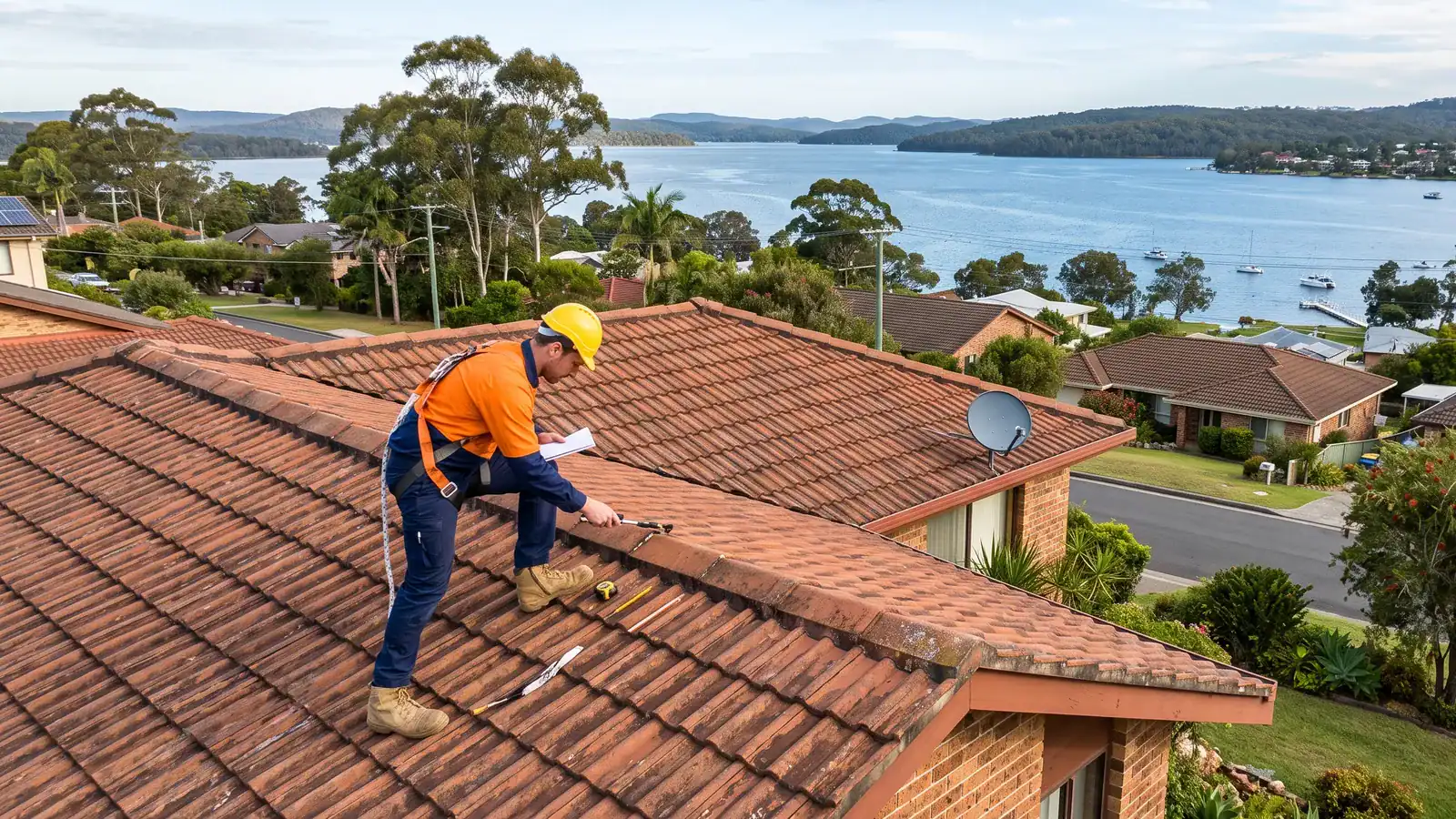
- Inspection and quote. A licensed roofer inspects the roof, identifies the extent of damage, and provides a written quote.
- Material selection. You choose the roofing material, colour, and profile based on your budget and the roofer’s recommendation.
- Old roof removal. The existing tiles or sheets are stripped off and disposed of. The underlying frame is inspected for rot or damage.
- Frame repairs. Any damaged battens, rafters, or fascia boards are replaced before new roofing goes on.
- Sarking and insulation. A breathable membrane is laid over the frame to protect against moisture and improve insulation.
- New roof installation. The new sheets or tiles are laid, ridge caps are fitted, and flashings are installed around penetrations.
- Gutters and downpipes. Replaced or reconnected as needed.
- Final inspection and clean-up. The site is cleaned, debris removed, and a final check confirms everything is watertight and secure.
All Pro Roof Restoration handles every step of this process in-house. David does the work himself rather than sending subcontractors, which means fewer miscommunications and a higher standard of finish.
Best Time of Year to Replace Your Roof
Autumn is the best time to schedule a roof replacement on the Central Coast. The weather is dry and mild, and roofers are typically less booked than during storm season.
Winter can be the cheapest time to book because demand drops, but shorter daylight hours can extend the job by a few days.
- Autumn (March to May): Ideal conditions with reliable dry weather and moderate temperatures
- Winter (June to August): Lower demand may mean better pricing, but rain delays are more likely
- Spring (September to November): Good weather but roofers are busier as storm season approaches
- Summer (December to February): Heat and afternoon storms can cause delays, and roofers are often booked out from storm damage repairs
If your roof is leaking now, do not wait for the ideal season. Get an inspection and temporary repair to prevent further damage while you plan the full replacement.
Can You Stay Home While the Roof Is Replaced?
In most cases, yes. A roof replacement is noisy and dusty, but you do not usually need to move out of the house. The roofer works in sections, keeping most of the roof covered while each area is replaced.
There are a few practical things to prepare for. The noise starts early and runs all day.
- Move cars out of the driveway and away from the house to avoid falling debris
- Cover stored items in the garage or attic with drop sheets
- Keep pets indoors or at a friend’s place during the noisiest days
- Expect some dust inside the house, particularly near ceiling vents
- Ask your roofer which days will be the most disruptive so you can plan ahead
If you have young children or work from home, you might want to plan to be out on the day the old roof comes off. That is always the loudest part.
How to Pick the Right Roofer for a Replacement
A roof replacement is one of the biggest jobs you will pay for on your home, so picking the right contractor matters more than finding the cheapest quote. The NSW Fair Trading licence check is the first place to start.
Beyond the licence, look at how the roofer communicates. Do they inspect the roof in person before quoting, or just give a number over the phone?
When comparing roofers, ask these questions:
- Are you licensed and insured for residential roof replacement in NSW?
- Will you inspect my roof in person before providing a quote?
- Do you use subcontractors or does your own team do the work?
- What warranty do you offer on labour and materials?
- Can you show me photos or addresses of completed replacements?
- Will you handle council approvals if they are required?
All Pro Roof Restoration is owner-operated by David, a licensed roofer with over 30 years of experience and licence number 178790c. He personally inspects every roof and does the work himself. Read homeowner reviews here.
Ready to Find Out If Your Roof Needs Replacing?
If your roof is leaking in multiple spots, tiles are crumbling, or you have been told the frame has damage, a full replacement may be the most cost-effective option long term. Starting with a professional inspection gives you the facts before you commit to anything.
Here is what to do next:
- Book a free roof inspection with a licensed roofer
- Get a written quote that includes materials, labour, and disposal costs
- Compare restoration vs replacement options based on the inspection results
- Check the roofer’s licence and read reviews from past customers
Whether you need a roof restoration, targeted repairs, or a complete roof replacement, getting an honest assessment is the first step. New roof options are available in Colorbond, tiles, and slate to suit any home on the Central Coast.
Contact All Pro Roof Restoration for a free roof assessment and quote. David will inspect your roof in person and give you a straight answer about whether it can be saved or needs replacing.
Frequently Asked Questions
Does home insurance cover roof replacement in Australia?
Most home insurance policies cover roof damage caused by storms, hail, or falling trees, but not damage from general wear and ageing. If your roof has deteriorated over time, the replacement cost is typically your responsibility. Check your policy’s storm damage and accidental damage sections, or call your insurer before getting quotes.
Do I need council approval to replace my roof in NSW?
A like-for-like roof replacement (same material, same profile, same height) is usually exempt development under NSW planning rules. If you are changing the roof material, altering the pitch, or increasing the height, you may need a Complying Development Certificate (CDC) or Development Application (DA). Your roofer should advise on this before work starts.
What is the cheapest time of year to replace a roof?
Winter is typically the cheapest time because demand for roofing work drops. Some roofers offer lower pricing during the quieter months. Autumn offers the best balance of price and weather conditions on the Central Coast.
Will a new roof increase my property value?
A new roof can add significant value, particularly if the old one was visibly worn or damaged. Real estate agents consistently report that a new or freshly restored roof improves street appeal and buyer confidence. It also removes a major negotiation point during building inspections.
Can I replace just part of my roof?
Partial replacement is possible when damage is limited to one section. This is common after storm damage or when only one slope of the roof has deteriorated. If the undamaged sections are also near end of life, replacing everything at once avoids paying for scaffolding and setup twice.
What happens if it rains during a roof replacement?
Professional roofers use tarps and temporary weatherproofing to protect exposed sections overnight and during rain. Work stops during heavy rain for safety, which can add a day or two to the timeline. Your roofer should have a weather contingency plan before starting.
How do I know if my roof has asbestos?
If your home was built before 1990, it may contain asbestos cement sheeting. The material looks like flat or corrugated grey sheeting and cannot be identified by sight alone.
A licensed assessor can take a sample and test it. Never cut, drill, or sand material you suspect contains asbestos.
Should I replace my gutters at the same time as my roof?
If your gutters are more than 20 years old or showing signs of rust and sagging, replacing them during the roof job saves money on scaffolding and labour. A gutter replacement done alongside a new roof ensures everything fits together properly and carries a consistent warranty.
How can I keep my new roof in good condition?
Regular roof maintenance extends the life of your new roof. Clear gutters twice a year, trim overhanging branches, and book a professional inspection every two to three years. Catching small issues early prevents expensive repairs later.