A roof leak caught early may need only a targeted repair. If water keeps entering, the job can spread beyond the roof to wet insulation, damaged plaster, mould or decayed timber.
Water stains on your ceiling, damp patches after rain, dripping sounds in the roof cavity. Any of these mean something needs attention.
This guide runs through the common causes we see on Central Coast and Newcastle roofs, how to tell whether a targeted repair will do the job, and when it makes more sense to look at a full restoration.
What causes roof leaks on the Central Coast
Leaks commonly start at cracked tiles, failed flashing, worn ridge capping or corroded fixings. Finding the entry point and checking the surrounding roof shows whether a targeted repair is enough.
- Cracked or broken tiles from branches, hail, or thermal movement
- Worn or missing ridge capping letting water get beneath tiles
- Deteriorated valley flashing where two roof slopes meet
- Blocked or busted gutters pushing water back under the roof edge
- Perished seals around vents, chimneys, or skylights
- Corroded or loose screws on metal roofing
Flashing and valley failures
Flashings seal the joints where your roof meets a wall, chimney, or changes direction. Valley flashings sit in the channel where two roof planes join.
Valleys carry concentrated runoff, while flashing condition depends on the metal, installation and exposure.
When flashing lifts or rusts through, water can enter the roof cavity without any obvious surface damage. We often find leaks around flashing and valleys on Central Coast roofs.
A proper repair means repairing the failed flashing and checking nearby pointing, not simply sealing the visible gap.
Coastal and Hunter Valley conditions
Properties between the Central Coast and Newcastle deal with salt air, high winds and heavy seasonal rain. Coastal exposure can accelerate corrosion, so replacement flashing, fixings and coatings need to suit the roof material and site conditions.
What are common causes of roof leaks in the Hunter Valley?
Cracked tiles, loose metal-roof fixings, failed flashing and blocked gutters can all let rain into Hunter Valley homes. A leak that appears during a storm needs a check of those entry points and the drainage paths, even if the stain dries afterwards.
NSW SES recommends repairing damaged roof tiles, sheets and screws and keeping gutters and downpipes clear when preparing a home for storms.
- Note whether the leak follows wind-driven rain or prolonged rainfall.
- Photograph stains from inside and visible roof damage from ground level.
- Tell the roofer about previous patches so those areas can be checked too.
How to find where your roof is leaking
Water doesn’t always drip directly below the leak. It can travel along timbers or sarking before showing up inside, sometimes metres from where it actually got in.
Interior warning signs
- Brown or yellow ceiling stains that grow after rain
- Peeling paint or bubbling plaster on walls near the roofline
- Musty smell in bedrooms or storage areas
- Visible drips or pooling water in the roof cavity
What to look for from outside
- Displaced or cracked tiles visible from ground level
- Gaps or cracks in ridge capping along the peak
- Lifted or damaged flashing around chimneys and vents
- Sagging sections that suggest timber rot underneath
Safety note: Don’t climb onto your roof to inspect damage. Wet tiles are slippery, and hidden structural damage can give way.
Licensed roofers carry proper safety gear and insurance for a reason.
What happens if you leave a roof leak
A small ceiling mark does not show how far water has travelled. This is how the scope can change when water keeps entering a home:
| Timeframe | What typically happens |
|---|---|
| Soon after rain | Ceiling marks or damp patches may appear. Insulation and roof timbers can begin absorbing moisture. |
| With repeated wetting | Paint and plaster can deteriorate, insulation can stop performing properly, and mould may develop in damp areas. |
| If water entry continues | Timber decay and damage to ceilings or wall linings become more likely. Electrical fittings exposed to water also need assessment by a licensed electrician. |
| After prolonged neglect | The repair may extend beyond the roof to damaged insulation, plaster and timber. The scope depends on how far the water has travelled. |
The timing varies with rainfall, ventilation and the leak itself. What matters is stopping the water and checking what became wet, rather than waiting for the next visible stain.
Leaking roof repairs by roof type
Tile, metal and low-pitch roofs require different repair methods. The inspection needs to check the roof material and find the leak.
Tile roof repairs
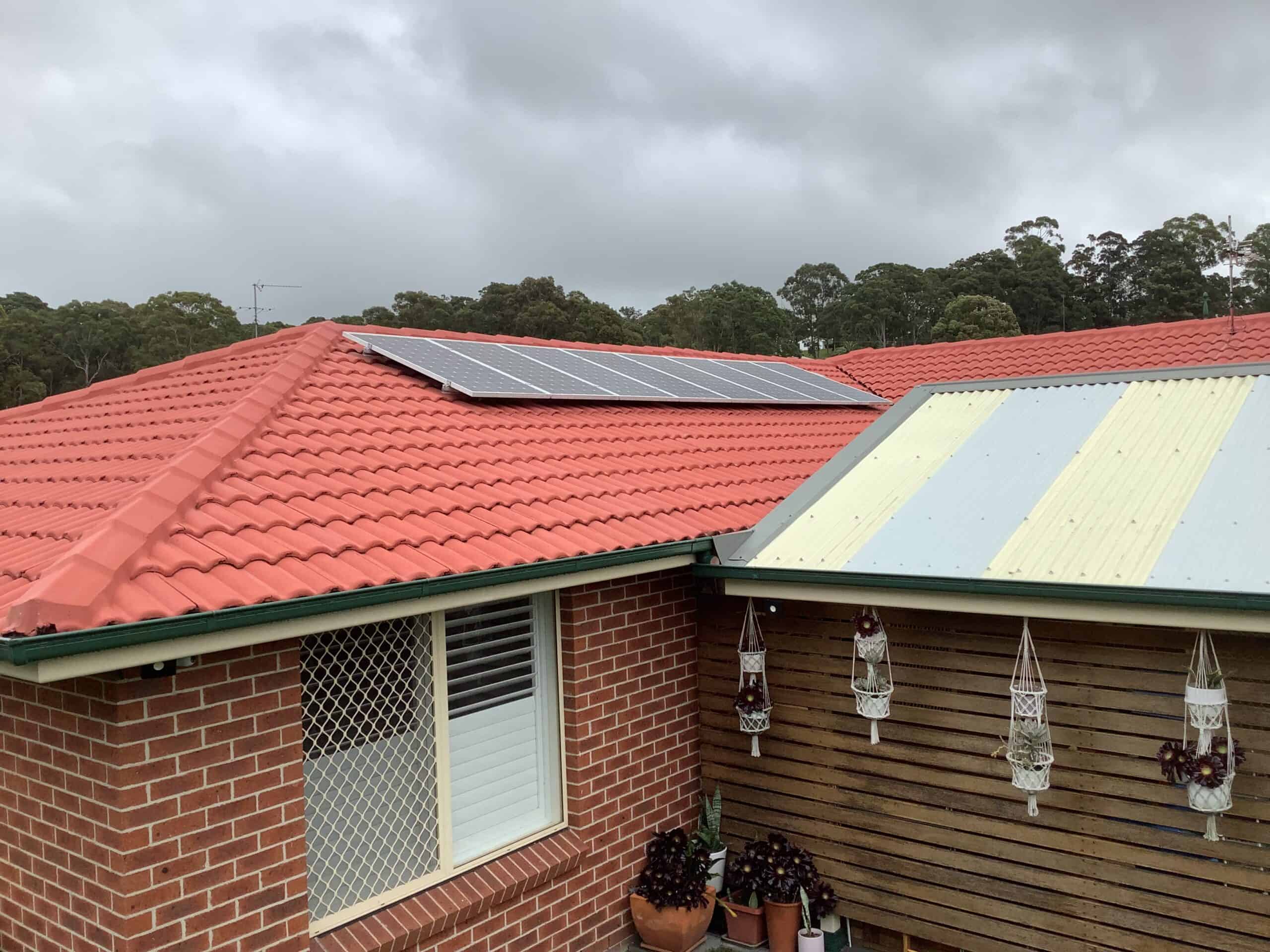
Concrete and terracotta tiles are common on Central Coast and Newcastle homes. Leaks often start at cracked tiles, failed bedding along ridge caps or damaged valley flashing.
- Individual cracked tiles can often be swapped out if matching tiles are available. Older tile roofs fade and crack at different rates depending on coating and exposure.
- Loose ridge caps need their bedding and fixings assessed. Bedding supports the caps; flexible pointing finishes the exposed edges over sound bedding.
- Older tiles can become brittle, and discontinued profiles may be hard to match. A roofer needs to plan access carefully so the inspection does not create new breakages.
If broken tiles and failed ridge capping are widespread, ask for separate repair and restoration scopes. Our guide to what a full roof restoration involves explains the work that should be listed.
Ridge tile repair and roof repointing on the Central Coast
Ridge tile repair may involve replacing a cracked cap, renewing failed bedding or repointing its exposed edges. The quote should distinguish these jobs because a new pointing layer will not repair loose or crumbling bedding underneath.
NSW Government includes bedding and pointing within roof tiling work, alongside valleys and sarking.
- Ask whether the caps are secure and the existing bedding can be retained.
- Where bedding has failed, ask how the affected caps will be lifted and rebedded.
- Check that nearby broken tiles and valley defects are included rather than assuming repointing fixes every leak.
Understanding when ridge caps need roof pointing repair helps you compare a repointing quote with a more extensive ridge repair.
Metal and Colorbond roof repairs
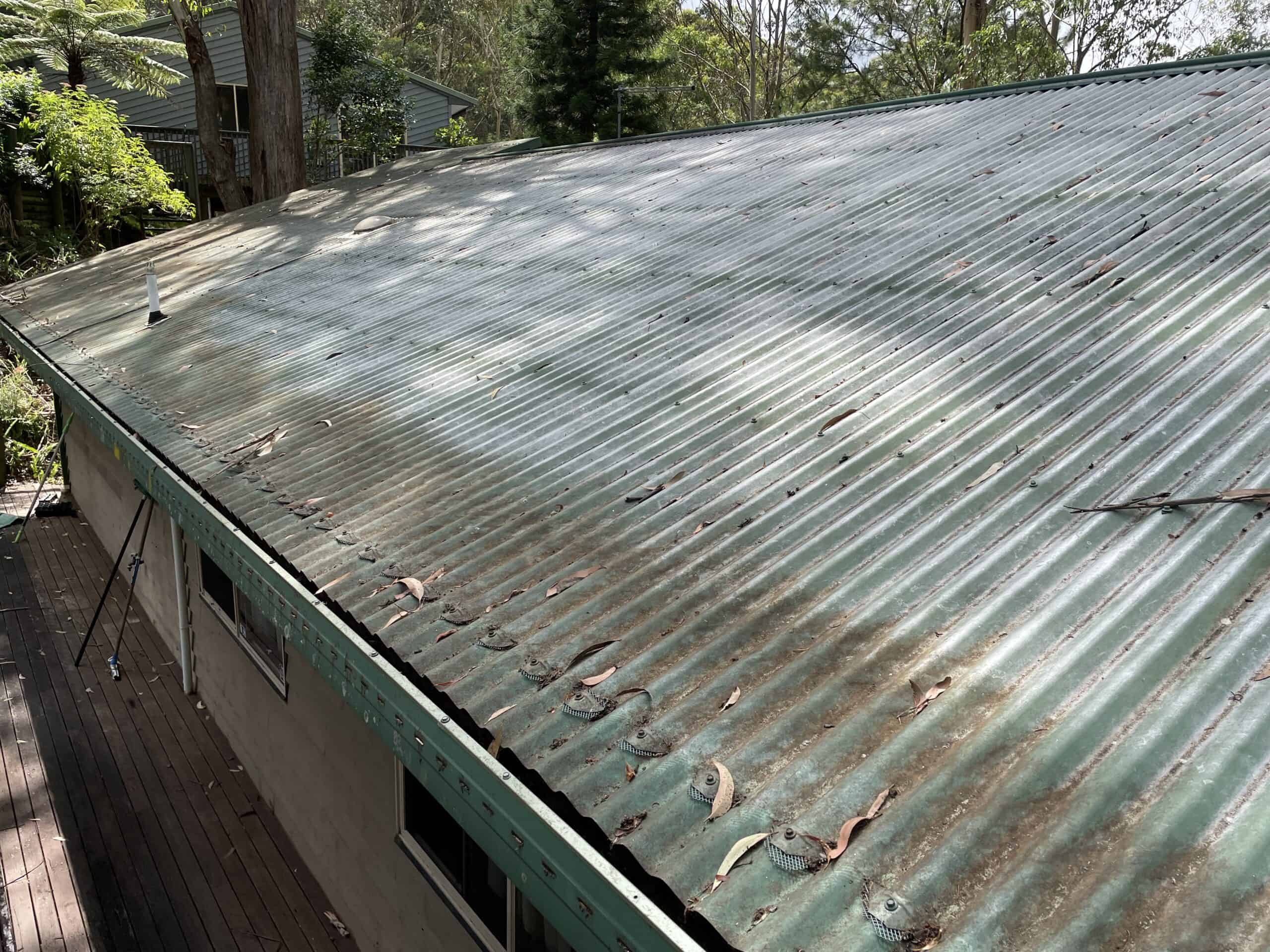
Metal roofs usually leak around loose or corroded fixings, damaged sheets and failed flashings at penetrations. Coastal exposure can accelerate corrosion where a coating has broken down or incompatible metals meet.
- Common metal roof repair work includes replacing loose screws and resealing flashing. Elongated fixing holes need assessment because simply tightening the old screw may not seal them.
- Repairing leaks in a Colorbond roof on the Central Coast may require fixing failed seals or replacing damaged sections; recoating alone does not repair a hole or failed joint.
- If rust has spread across multiple sheets, ask whether your metal roof needs restoration before patching sheet by sheet.
Flat and low-pitch roof repairs
Low-pitch sections on extensions and modern homes may use metal sheets or a membrane system. Ponding, failed joints and blocked outlets need different repairs, so the roofer must identify the system and how it drains before proposing a patch.
Where a membrane is fitted, its type determines which repair products are compatible. Ask whether the proposed work addresses the drainage problem and complies with the manufacturer’s instructions and applicable warranty terms.
Professional repairs vs DIY attempts
Silicone sealant or roof patch tape may slow water at a visible gap, but the stain inside may trace back to a different entry point. Extra sealant can also hide the detail a roofer needs to inspect.
| Approach | Role | Suitable when | What to check |
|---|---|---|---|
| Containing water from inside | Limits damage while help is arranged | Drips can be caught safely away from electrical fittings and sagging ceilings | It does not repair the roof; leave roof access and temporary coverings to equipped professionals |
| Single tile replacement | Targeted repair | Damage is isolated and the surrounding roof is sound | Matching tiles may be difficult to source on an older roof |
| Rebedding and repointing | Repair to failed ridge capping | Bedding or pointing has cracked but the broader roof remains serviceable | It does not address worn coatings or unrelated leak points |
| Full restoration | Planned treatment of widespread wear | Several roof elements need work at the same time | Products, preparation and applicable warranty terms should be named in the quote |
Product warranties vary by repair system and roof condition. Ask the contractor to name the products, preparation and applicable warranty terms in writing.
What happens during a roof leak repair
A sound repair starts with working out where the water is getting in. We inspect the surrounding roof to check for other entry points.
- Roof assessment to find all leak sources and check overall condition
- Written quote listing the specific repairs and materials
- Removal of damaged tiles, flashing, or ridge capping
- Inspection of the sarking and timber underneath for water damage
- Replacement using proper bedding compounds and fixings
- Final check and cleanup, with before-and-after photos
When you arrange professional roof leak repairs, ask what’s included in the quote. It should state whether nearby tiles, flashing and pointing will also be checked.
Why sarking needs checking during leak repairs
Sarking is the membrane beneath roof tiles or sheets, where fitted. Bradford explains that roof sarking provides a secondary drainage path for wind-driven rain that gets beneath tiles.
Ask the roofer whether accessible sarking is torn, damaged or draining incorrectly, and whether the quote includes that work. Replacing a broken tile can stop one entry point while leaving damaged underlay unaddressed.
Dampness without a clear link to rain may also need a condensation assessment. The Australian Government’s Your Home guidance explains how ventilation and moisture control affect condensation, so the answer may involve more than an external roof patch.
When repairs turn into a restoration
If you’ve got leaks in multiple spots, tiles lifting across wide sections, or an older roof with widespread wear, a full restoration may be better value than chasing individual problems. A full restoration of a repairable roof deals with the repairable defects together and renews the protective coating where that system suits the roof.
Signs you need more than a patch
- Leaks showing up in more than one room after heavy rain
- Widespread coating wear, peeling or chalking, assessed alongside the roof material; colour fade alone does not prove the roof is leaking
- Visible gaps between ridge capping and tiles along most of the ridgeline
- Previous repairs failing within a year or two
- Heavy moss or lichen across large sections of the roof
The decision depends on the roof’s age, structural condition and extent of wear. Our guide to repair vs restoration vs full replacement walks through those differences.
What a restoration covers
A full restoration typically starts with pressure washing as part of roof preparation, followed by ridge repairs and broken tile replacement where needed. It may include a professional roof coating on suitable surfaces.
The quote should separate essential repairs from coating work so you know exactly what is being done.
For widespread repairable defects, planning roof restoration on the Central Coast starts with identifying which repairs are essential before any cleaning or coating.
We hold Dulux Accredited status and use Dulux Acratex systems for suitable restoration work. David can explain the preparation, products and warranty conditions that apply to the proposed system before work starts.
Choosing a licensed contractor
Using an unlicensed operator can leave a homeowner with fewer options if work fails or causes more damage. NSW Government sets out the contractor licence requirements for roof tiling, including work valued above $5,000 in labour and materials, including GST.
- Look up the contractor’s licence number on the Fair Trading website before signing anything
- Confirm they carry public liability and workers comp insurance
- Ask for references from jobs in your area
- Check for HIA membership or similar industry body
- Make sure the written quote names specific products and brands
- Ask about warranty coverage on both labour and materials
Our NSW Fair Trading licence number is 178790c. Check the contractor licence record for its status and authorised work before booking. For a broader look at how roof repairs and restoration work from start to finish, that guide covers the full process.
HIA membership is a useful supporting credential, but it does not replace the licence check, insurance details and a clear written scope. Those are the records you will rely on if something unexpected comes up.
Emergency repairs after storms
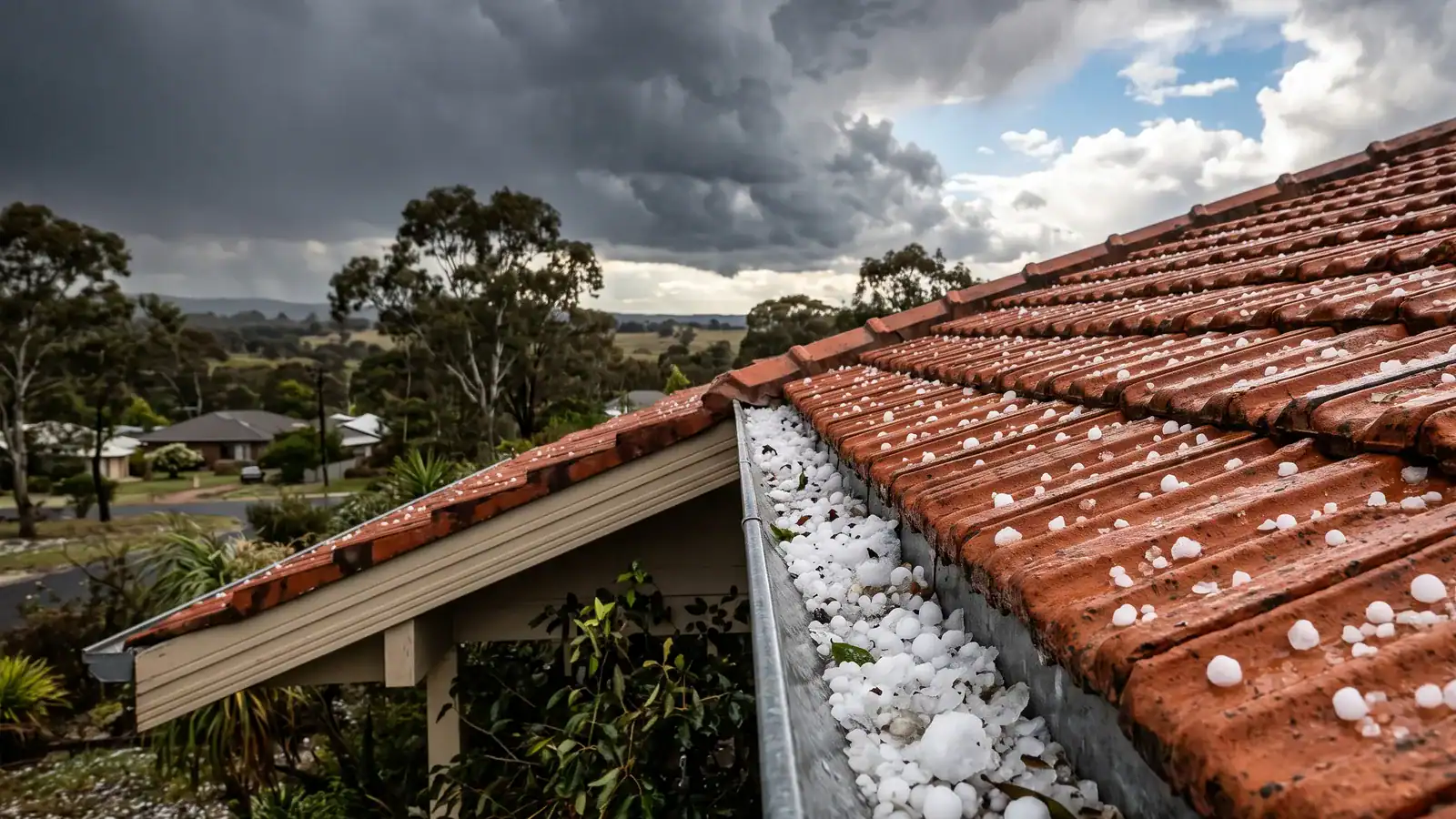
Storms can damage roofs across the Central Coast and Hunter Valley. Hail, fallen branches, and high winds can wreck a roof that was fine the day before.
What to do straight after storm damage
- Move furniture and valuables away from drips or wet spots
- Put buckets under active leaks to protect your floors
- Stay off the roof. Wet surfaces, loose sheets and hidden damage make climbing unsafe even after the rain eases.
- Photograph visible damage from a safe position before cleanup or temporary work begins
- Call NSW SES on 132 500 if storm damage has left the roof leaking or unsafe. Call 000 if anyone is in immediate danger.
- Contact your insurer and a licensed roofer once conditions settle
After a major storm, arrange an assessment as soon as conditions are safe. David has handled storm damage across the Central Coast and Newcastle for over 30 years.
All Pro’s Central Coast roof repair service includes assessing homes with more than one leak point.
Knowing what to do first when emergency roof repairs are needed helps you protect the inside of your home while safe roof access is arranged.
Storm damage and insurance
Cover depends on your policy wording, the cause of the leak and the condition of the roof before the event. Do not assume every storm-related leak is covered.
The Insurance Council advises contacting your insurer promptly and getting written approval before authorising building work, including emergency repairs.
Take dated photos and keep past inspection or repair records. Your insurer may arrange its own assessor or ask for a roofer’s report to distinguish sudden damage from deterioration or maintenance issues.
Maintaining your roof after repairs
Inspect the roof from ground level after severe storms and keep gutters clear. These checks can reveal displaced materials or overflow before the next stretch of heavy rain.
Annual checklist
- Ground-level visual check for displaced tiles after storms
- Clean out gutters so water doesn’t back up under the roof edge
- Trim overhanging branches that drop debris onto the roof
- Book inspections at intervals suited to the roof’s age and exposure, and after severe storms
Our guide explains roof maintenance tasks and inspection schedules in more detail.
Other things worth doing
Consider gutter guards for homes near trees where leaves collect in the gutters. They may reduce leaf buildup, but gutters, guards and downpipes still need checking and cleaning. Checking gutters alongside roof repairs helps identify overflow that can send water back beneath the roofline.
Keep dated inspection reports, invoices and photos together. They give the next roofer useful history and may help an insurer understand the roof’s condition before a storm.
What affects repair costs
Roof leak repair costs depend on the damage, roof pitch, tile type, and how easy the roof is to access. Ask for separate repair and restoration scopes if several defects are found, so you can compare the work each option includes.
What drives the price
- Roof height and pitch (steeper roofs need more safety gear and scaffolding)
- Tile availability, especially for discontinued profiles
- Hidden damage to sarking or timber found during the job
- Weather delays in wet seasons
- Scaffolding for steep or multi-storey homes
For a breakdown of what drives pricing on larger jobs, our roof restoration cost guide walks through the main variables.
Thinking longer term
Repairing the leak promptly can reduce damage to ceilings, insulation and wall linings. If water has reached electrical fittings or wiring, use a licensed electrician to assess that work.
Ask for a written assessment that explains the work in plain language. For an accurate price, request a free roofing quote based on an inspection.
If a contractor can’t tell you why specific repairs are needed, that’s a red flag.
Frequently asked questions
Quick answer: Most isolated roof leaks can be repaired without replacing the whole roof, but the source and surrounding condition need to be checked first.
Repair scope, cost and timing
How much does it cost to repair a leaking roof?
The cost depends on the cause and access. Replacing an isolated tile is a different job from renewing valley flashing or repairing wet timber, so a price without an inspection can miss essential work.
An on-site inspection is usually needed because hidden damage and roof access affect the price. Contact All Pro for a free quote that names the repairs and materials.
What’s the best way to fix a leaking roof?
Find the actual source first. The entry point may be some distance from the interior stain.
A licensed roofer traces where the water is getting in, fixes the cause (cracked tile, failed flashing, deteriorated pointing), and checks the surrounding area rather than just sealing over the visible spot.
Why does my roof leak only in heavy rain?
Wind-driven rain forces water under tiles and through gaps that stay dry in lighter showers. Blocked gutters and valleys also overflow under heavy volume, pushing water back beneath the roofline.
These intermittent leaks are common on the Central Coast and worth getting checked before storm season.
How long does a roof leak repair take?
An isolated repair may be completed in one visit, while multiple leak points, hard access or hidden damage take longer. We set out the expected work and timing after the inspection.
Insurance and protecting your home
Can I claim roof leak damage on insurance?
Cover depends on your Product Disclosure Statement, the cause of the leak and any exclusions. Insurers assess sudden storm damage differently from deterioration or maintenance issues, so contact yours promptly rather than assuming the outcome.
Take dated photos and keep past repair records. Ask the insurer whether it will appoint an assessor or wants a licensed roofer’s report before you authorise work.
Can you fix a leak without replacing the whole roof?
An isolated leak can often be fixed without a full replacement. A cracked tile, a failed section of flashing, or deteriorated ridge capping can all be repaired without touching the rest of the roof.
The question is whether the surrounding roof is sound enough to justify spot repairs, or whether multiple weak points make a restoration better value. An inspection can show whether the damage is isolated or widespread.
What are temporary fixes until a roofer can get there?
Put buckets under drips, move furniture away from wet areas, and stay out of any room where the ceiling is sagging. Do not climb onto a wet or damaged roof.
Hardware-store sealants and tape do not diagnose the source and can make the proper repair harder.
Ridge caps and hidden water paths
Will roof repointing fix a leaking tile roof?
Repointing can address failed pointing at ridge caps if the bedding remains sound. Cracked tiles, failed valleys and damaged flashing need their own repairs, so the inspection should work out where water is getting in.
Can damaged sarking matter after a tile is replaced?
Yes, damaged sarking can leave the secondary drainage layer incomplete even after the visible tile is repaired. Ask whether the accessible underlay was inspected and whether repairs to it are included in the scope.
Get your roof sorted
Free inspection and quote: If you’ve noticed a stain, drip or damp patch, arrange an inspection before the next heavy rain.
All Pro has repaired roofs across the Central Coast and Newcastle for over 30 years. Homeowners can read about our roof repair service for Newcastle homes before arranging an inspection.
All Pro is Dulux Accredited, an HIA member, and holds NSW Fair Trading licence 178790c. Get in touch for a free inspection and quote.