Roof restoration cost in Australia typically ranges from $3,000 to $15,000 or more, depending on your roof size, material, and condition.
That is a wide range, and for good reason. A small single-storey home with minor wear is a different job entirely from a large two-storey property with crumbling ridge caps and 20 years of neglect.
This guide breaks down what drives roof restoration cost so you can budget with confidence and spot a fair quote from a padded one.
What does roof restoration cost in Australia?
For most residential homes across the Central Coast, Newcastle, Hunter Valley, and Lake Macquarie, roof restoration cost falls into these ranges.
| Roof type | Typical cost range | Notes |
|---|---|---|
| Concrete tile (single storey) | $3,500 to $7,000 | Most common restoration job |
| Concrete tile (two storey) | $6,000 to $10,000 | Access and scaffold costs add up |
| Terracotta tile | $5,000 to $12,000 | Tiles cost more to replace |
| Colorbond / metal | $3,000 to $8,000 | Depends on rust extent and panel condition |
| Slate | $8,000 to $15,000+ | Specialist work, limited tile availability |
As a rough guide, most roofers quote between $25 and $55 per square metre for a standard restoration. A typical 150 to 200 sqm roof on the Central Coast or Newcastle falls in the $5,000 to $10,000 range once cleaning, repairs, repointing, and two coats of membrane are included.
These figures include cleaning, repairs, repointing, priming, and two coats of roof membrane. They do not include structural timber work or full gutter replacement, which are separate jobs.
Be cautious of quotes that seem unusually low. A $1,500 “roof restoration” likely means a quick pressure wash and a single coat of paint, which will not last.
Factors that affect roof restoration cost
No two roofs are the same, which is why quoting over the phone rarely gives you an accurate number. Here are the main factors that move the price up or down.
- Roof size. Measured in square metres. A 150 sqm roof costs roughly double a 75 sqm one in labour and materials.
- Roof material. Terracotta and slate tiles cost more to source and replace than concrete tiles. Metal roofs are generally quicker to restore but rust damage can add cost.
- Extent of damage. A roof with a few cracked tiles and minor repointing is a straightforward job. One with widespread broken tiles, failed valleys, and rusted flashings takes longer and uses more materials.
- Roof pitch and access. Steep roofs need more safety equipment and take longer to work on. Multi-storey homes require scaffolding, which adds $1,500 to $3,000 or more.
- Location. Coastal areas like the Central Coast and Newcastle see more salt-air corrosion, which often means extra repair work and higher material costs. Salt speeds up rust on metal roofs and breaks down ridge cap mortar faster than inland conditions. Remote locations may also attract travel charges.
- Products used. Premium coatings like the Dulux Acratex system cost more upfront but last significantly longer than budget alternatives.
The only way to get an accurate figure is to have a licensed roofer inspect your roof in person. Photos from the ground rarely show the full picture.
What is included in a roof restoration quote?
A proper quote should itemise every stage of work. If you receive a one-line quote with just a total, ask for a breakdown. Here is what a full roof restoration typically includes.
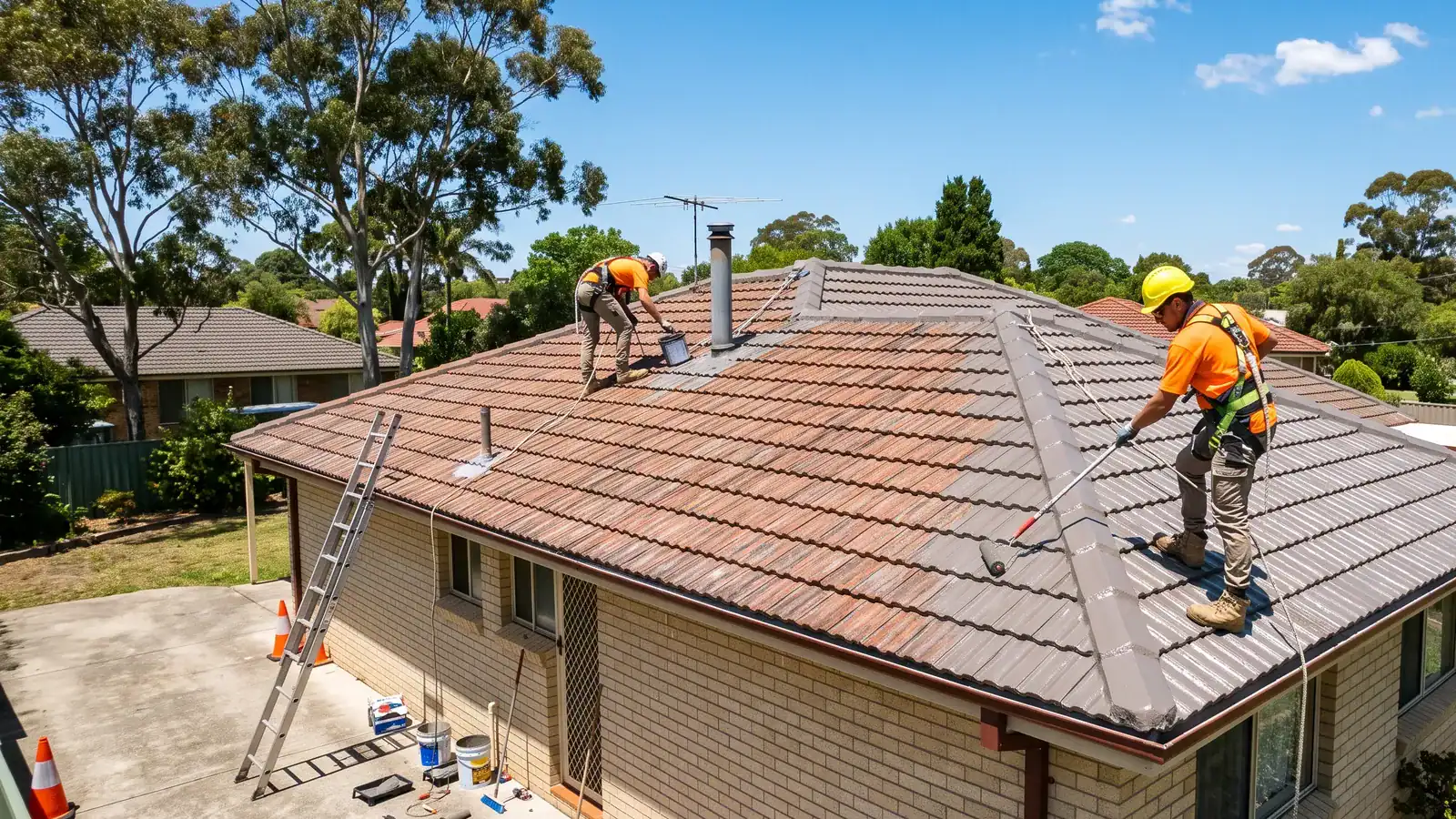
- High-pressure cleaning. Removes dirt, moss, lichen, and loose paint from the entire roof surface. Without this, coatings will not bond properly.
- Repairs. Cracked or broken tiles are replaced. Rusted screws and fixings are swapped for stainless steel. Damaged metal sheets get cut out and patched.
- Ridge cap rebedding and repointing. Old crumbling mortar along the ridgeline is removed and replaced with flexible compound that moves with temperature changes.
- Valley and flashing repairs. Valleys channel water off the roof. If they are corroded or lifting, water gets underneath.
- Priming and sealing. A primer coat seals the surface and provides a base for the topcoat to grip onto.
- Two coats of roof membrane. The final protective coating that gives the roof its colour and weather protection for the next 10 to 15 years.
Ask your roofer which specific products they will use. A quality contractor will name brands and product codes, not just say “premium paint”.
How long does roof restoration take?
Most residential roof restorations take three to five working days from start to finish. A straightforward single-storey concrete tile roof with minor repairs can be done in two to three days. Larger homes, steep pitches, or roofs needing extensive tile replacements may stretch closer to a week.
- Day 1: High-pressure cleaning and drying time.
- Day 2: Tile replacements, ridge cap rebedding, and flashing repairs.
- Day 3 to 4: Primer coat, then two topcoats with drying time between each.
- Day 5 (if needed): Final inspection and touch-ups.
Weather plays a big role. Rain delays the coating stages because the surface needs to be completely dry. Autumn and early spring are popular booking windows across the Central Coast and Newcastle, giving longer dry stretches without extreme summer heat.
You can stay in your home the entire time. The work happens on the roof, not inside the house.
Roof restoration cost vs roof replacement cost
Homeowners often weigh up whether to restore or replace. The cost difference is significant, but so is the outcome.
| Roof restoration | Full roof replacement | |
|---|---|---|
| Typical cost | $3,000 to $15,000 | $15,000 to $40,000+ |
| Timeline | 3 to 5 days | 1 to 3 weeks |
| Lifespan added | 10 to 15 years | 20 to 30+ years |
| Disruption | Minimal | Significant noise, debris, possible temporary relocation |
| When it makes sense | Sound structure, surface deterioration | Structural failure, end-of-life materials |
Restoration is the better value when your roof structure is still in good shape. Spending $6,000 on a restoration that lasts 12 years works out far better than $25,000 on a full roof replacement you did not actually need yet.
Replacement makes sense when the timber frame is water-damaged, the roof is over 30 years old with no maintenance history, or the material itself has failed beyond repair. A licensed roofer can tell you which option suits your situation.
Signs your roof needs restoration
Catching problems early keeps your roof restoration cost at the lower end. Here are the warning signs homeowners across the Central Coast, Newcastle, and Port Stephens should watch for.
- Fading or uneven colour. The protective coating has broken down. UV exposure causes this over 10 to 15 years, and older tile roofs in Newcastle are especially prone to fading and cracking.
- Cracked or slipping tiles. Even one cracked tile lets water into the roof cavity. Storms and fallen branches are the usual cause.
- Moss, lichen, or mould. Green or white patches mean moisture is sitting on the surface and eating into the material underneath.
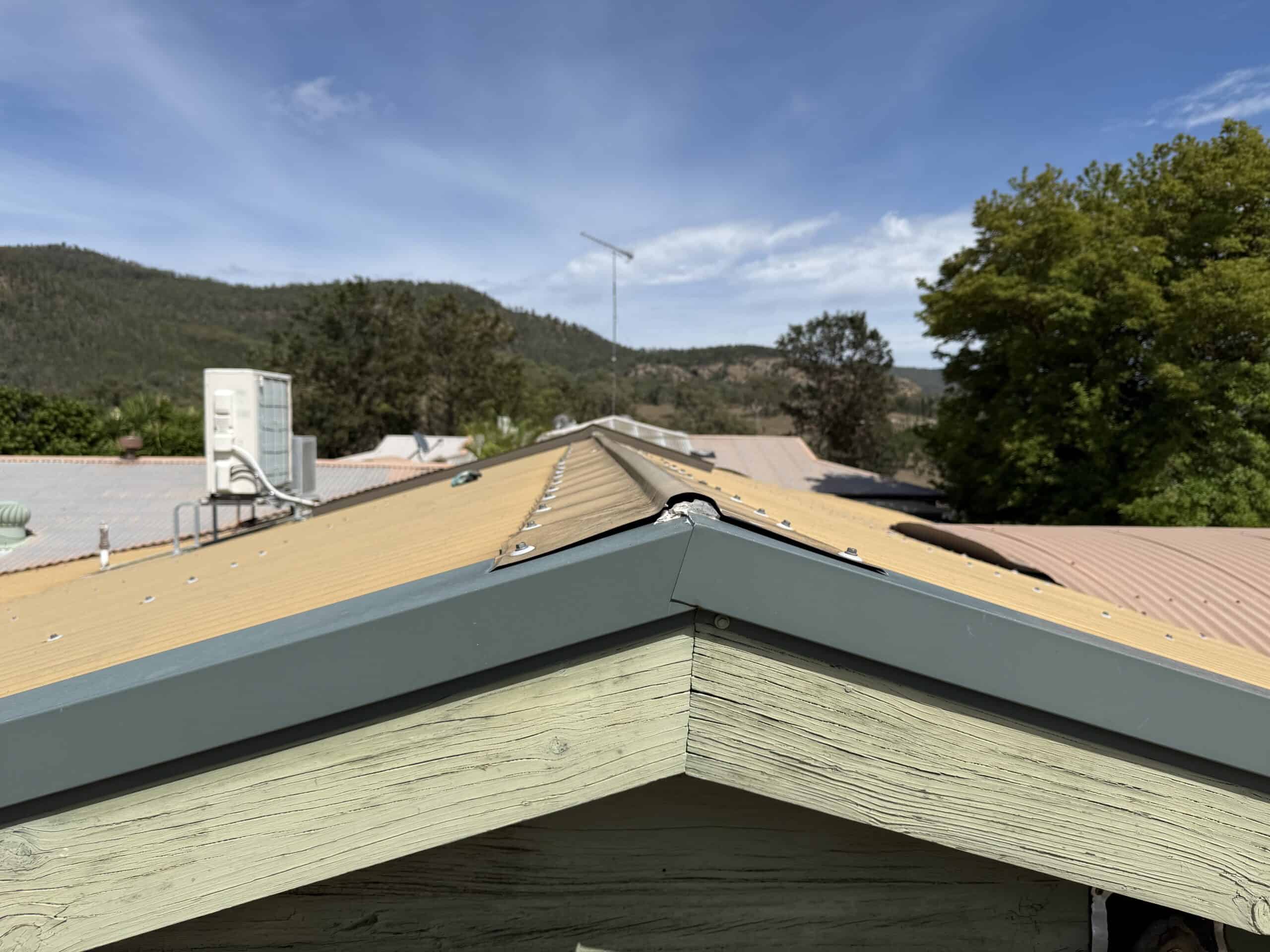
- Rust on metal roofs. Salt air along the coast accelerates corrosion on older Colorbond and galvanised steel.
- Crumbling ridge caps. The mortar along the ridgeline breaks down over time, letting wind-driven rain into the roof space.
- Water stains on ceilings. By the time you see stains inside, water has already been leaking through your roof for a while.
If you are noticing two or more of these, it is worth getting an inspection before the damage escalates. Early action on roof repairs often prevents the need for a full restoration.
How to get an accurate roof restoration quote
Getting the right quote is just as important as getting the right price. Here is how to make sure you are comparing apples with apples.
- Get at least three quotes. This gives you a sense of the market range and makes it easier to spot outliers.
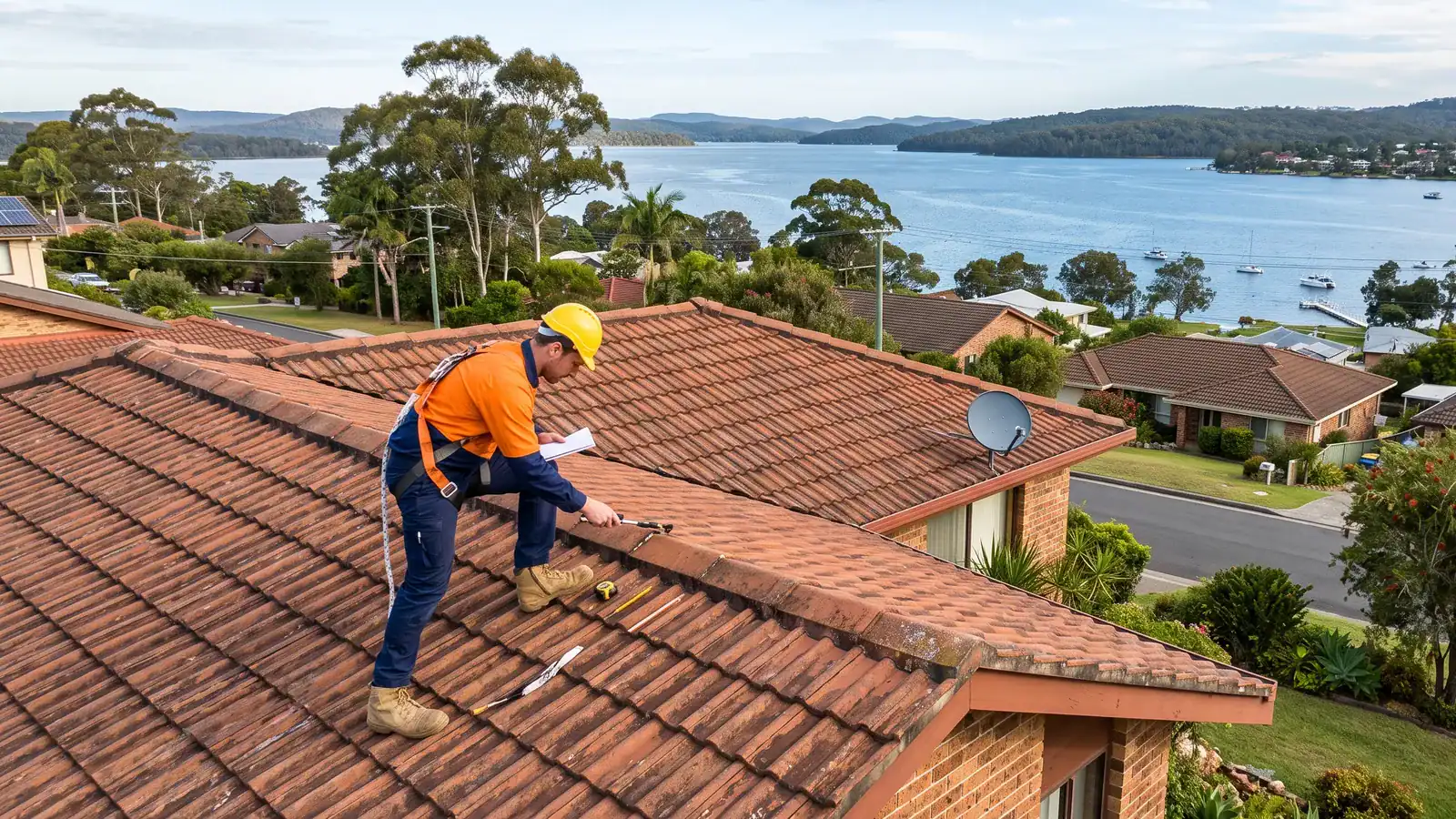
- Insist on an on-site inspection. Any roofer quoting without climbing onto your roof is guessing. At All Pro Roof Restoration, David inspects every roof personally before quoting.
- Check the breakdown. Each quote should list cleaning, repairs, repointing, priming, coating, and specific product names.
- Verify the licence. Every roofer in NSW must hold a contractor licence. Check it on the NSW Fair Trading website. All Pro holds licence 178790c.
- Ask about product warranties. Quality coatings like the Dulux Acratex system come with manufacturer warranties, but only when applied by an accredited contractor.
A good roofer will walk you through the quote line by line and explain why each step matters. If they cannot do that, keep looking.
Ways to reduce your roof restoration cost
You should never cut corners on workmanship or materials, but there are legitimate ways to keep costs manageable.
- Act early. A roof with minor wear costs less to restore than one with years of neglected damage. Moss removal and repointing now can save thousands later.
- Combine with other work. If you also need gutter replacement or roof painting, doing it all at once avoids paying for scaffold setup twice.
- Choose the right time of year. Autumn and spring are peak seasons, and choosing the right season around Lake Macquarie can help avoid costly rain delays. Some roofers offer better availability and pricing during quieter months.
- Maintain your roof. Clean gutters twice a year, trim overhanging branches, and fix small issues promptly. Regular maintenance extends the time between restorations.
What you should not do is pick the lowest quote without checking what is included. A $2,500 job that peels in two years costs you more than a $6,000 restoration that lasts twelve.
Frequently asked questions about roof restoration cost
How much does roof restoration cost per square metre?
Most roofers quote between $25 and $55 per square metre for a standard restoration, depending on the roof material and condition. Tile roofs typically sit at the lower end, while metal roofs with significant rust damage can push toward the higher end. These rates cover cleaning, repairs, and two coats of protective membrane.
Is roof restoration worth the money?
For most homes with a structurally sound roof, restoration is one of the best-value home improvements you can make. Spending $6,000 to $8,000 on a restoration that extends your roof’s life by 10 to 15 years is a fraction of the $20,000 to $40,000 a full replacement would cost. It also improves street appeal and helps protect the rest of your home from water damage.
How often should a roof be restored?
Most roofs need restoration every 10 to 15 years, though this varies with location and roof material. Homes in coastal areas like the Central Coast and Newcastle may need it sooner due to salt-air exposure, while inland homes in the Hunter Valley often get closer to 15 years between restorations.
What is the difference between roof restoration and roof repair?
A roof repair fixes a specific problem, such as replacing cracked tiles or patching a leak. A restoration is a complete treatment of the entire roof surface, including cleaning, all necessary repairs, repointing ridge caps, and applying a new protective coating. Think of repair as a spot fix and restoration as a full service.
Can insurance cover a roof restoration?
Standard home insurance typically covers storm damage repairs but not general wear-and-tear restoration. If a storm has damaged your roof, your insurer may cover the repair component. Get an itemised quote that separates storm damage repairs from general restoration work so your insurer can assess the claim.
Does salt air affect how often I need a roof restoration?
Yes. Salt-laden air along the Central Coast and Newcastle coastline accelerates corrosion on metal roofs and breaks down protective coatings faster than inland conditions. Homes within a few kilometres of the coast often need restoration two to three years earlier than comparable inland properties.
Can I stay in my home during a roof restoration?
Yes. All work happens on the roof, not inside the house. You will hear noise from the pressure washer and tools during working hours, but there is no need to move out.
What time of year is best for roof restoration?
Autumn and early spring offer the best conditions across the Central Coast and Newcastle. You get reliable dry stretches without extreme heat. Late autumn and winter are quieter periods, and some roofers may offer better availability during these months, though rain delays are more likely.
How long does a roof coating last?
A quality roof coating such as the Dulux Acratex system lasts 10 to 15 years when applied correctly by an accredited contractor. Budget coatings may start peeling or fading within three to five years. The difference usually comes down to the number of coats, surface preparation, and whether the contractor followed the manufacturer’s application process.
Do I need council approval for a roof restoration?
In most cases, no. Roof restoration is classified as maintenance, not a structural alteration, so it does not require a Development Application in NSW. If your property is heritage-listed, check with your local council before changing the roof colour or material.
Will roof restoration void my Colorbond warranty?
Cleaning and minor repairs typically do not affect a Colorbond warranty. Applying a third-party coating over the original manufacturer finish may void the finish warranty for that layer, as the new product takes over protection of the surface. Check the terms of your specific Colorbond warranty and ask your roofer which coating systems are compatible with your roof.
Get a free roof restoration quote
The best way to understand your roof restoration cost is to have a licensed roofer inspect your roof and provide a detailed, itemised quote.
All Pro Roof Restoration services homes across the Central Coast, Newcastle, Hunter Valley, Lake Macquarie, and Port Stephens. With over 30 years of experience and NSW licence 178790c, David provides honest assessments and transparent pricing on every job.
Ready to find out what your roof restoration will cost? Contact All Pro for a free roofing quote. David will inspect your roof personally and give you a clear breakdown with no surprises.
Weighing up your options? All Pro Roofing offers metal roof restoration and full Colorbond roof replacement, with a free assessment to match the right job to your roof. Get a free quote.