Roof maintenance means checking for damage, keeping drainage clear and arranging repairs before water gets inside. Start with a ground-level check in autumn and spring, and look again after severe weather once conditions are safe.
A blocked gutter, cracked ridge cap or damaged flashing can be easy to overlook until rain exposes the problem. Homeowners considering roof restoration on the Central Coast or roof restoration in Newcastle should first find out whether local repairs and maintenance will meet the roof’s needs.
The checklist below separates observations you can make safely from work that needs a roofer. It also explains what to ask for in a maintenance quote and which records to keep.
What does roof maintenance actually involve?
Roof maintenance is the routine of inspection, cleaning and minor repairs that helps keep a sound roof weatherproof. The work depends on the roof material, its condition and how much leaf litter or coastal salt reaches it.
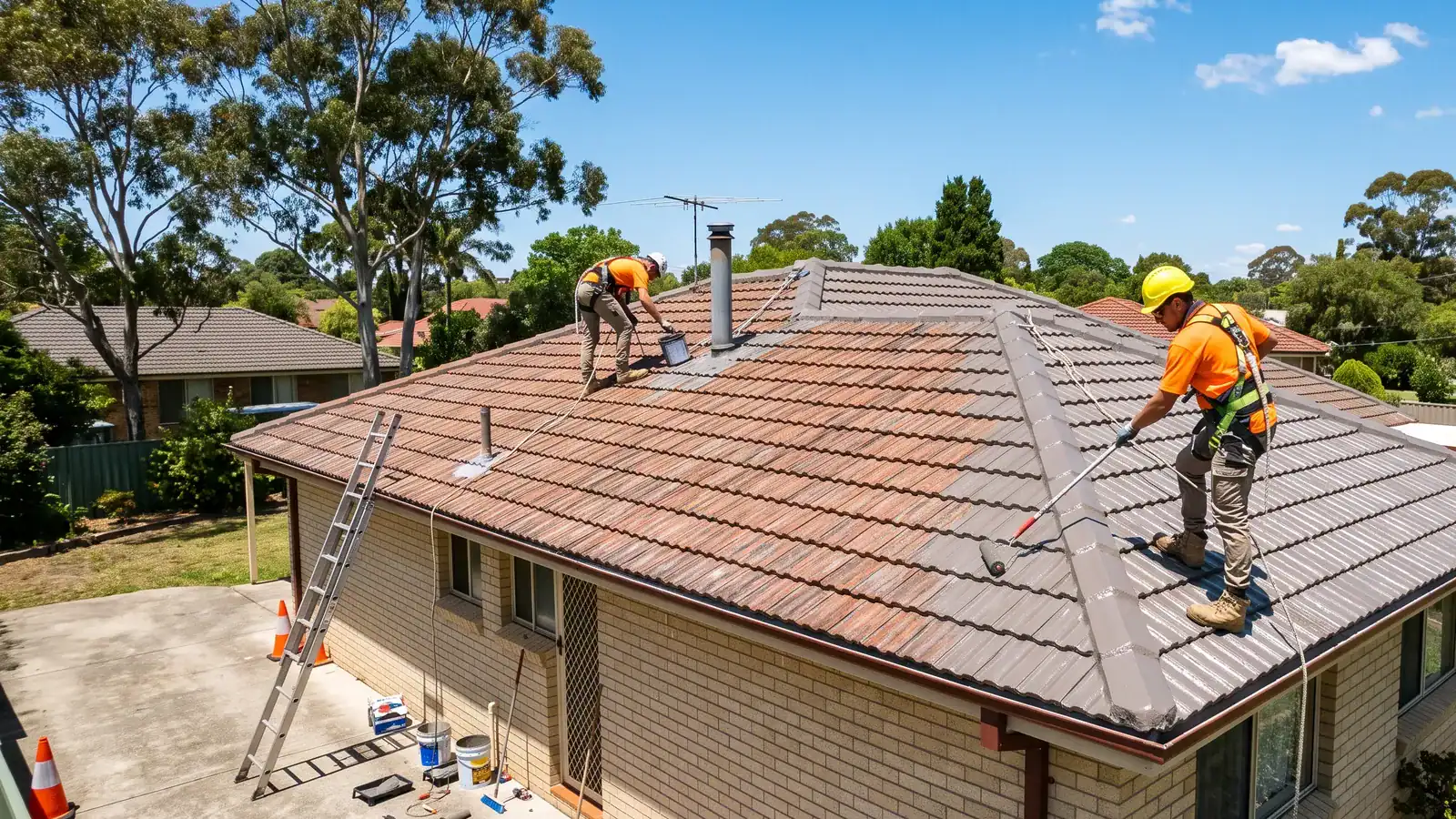
Understanding what a roof restoration involves helps separate routine upkeep from a larger job. Restoration may include repairs, cleaning, repointing and a suitable coating, but age or faded colour alone does not establish what work is needed.
- Clear gutters and downpipes so rainwater can drain.
- Check for cracked or slipped tiles and loose roof sheets.
- Inspect flashings around chimneys, vents and skylights.
- Assess moss, lichen and debris before choosing a cleaning method.
- Check valley irons, screws and fasteners for corrosion.
- Check ridge capping and pointing for movement or deterioration.
- Ask the roofer to check accessible ventilation openings for obstructions.
The NSW SES home preparation advice includes checking roof damage and cleaning gutters, drains and downpipes. A clear gutter is useful only if the outlet and connected downpipe can also carry water away.
How often should you do roof maintenance?
Start with checks twice a year, then adjust for your property. Trees, salt exposure, previous leaks and the manufacturer’s care instructions may call for closer attention.
| Task | When to plan it | What changes the timing |
|---|---|---|
| Ground-level visual check | Autumn and spring, plus after severe weather | New stains, displaced tiles or visible debris need earlier attention |
| Gutter and downpipe clearing | Check at each seasonal review | Heavy leaf fall or overflow means clearing sooner |
| Moss and lichen assessment | During the roof inspection | Material, shade and growth determine whether cleaning is needed |
| Professional inspection | Agree a schedule with your roofer | Leaks, loose materials or corrosion should not wait for a routine visit |
Put reminders in your calendar, but let the roof’s condition set the workload. There is no benefit in waiting for the next reminder when a gutter is already overflowing.
How roof type affects your maintenance routine
A concrete tile roof and a Colorbond roof need different checks. Tell the roofer which material you have, along with any previous coating or repair history you know about.
Concrete and terracotta tile roofs
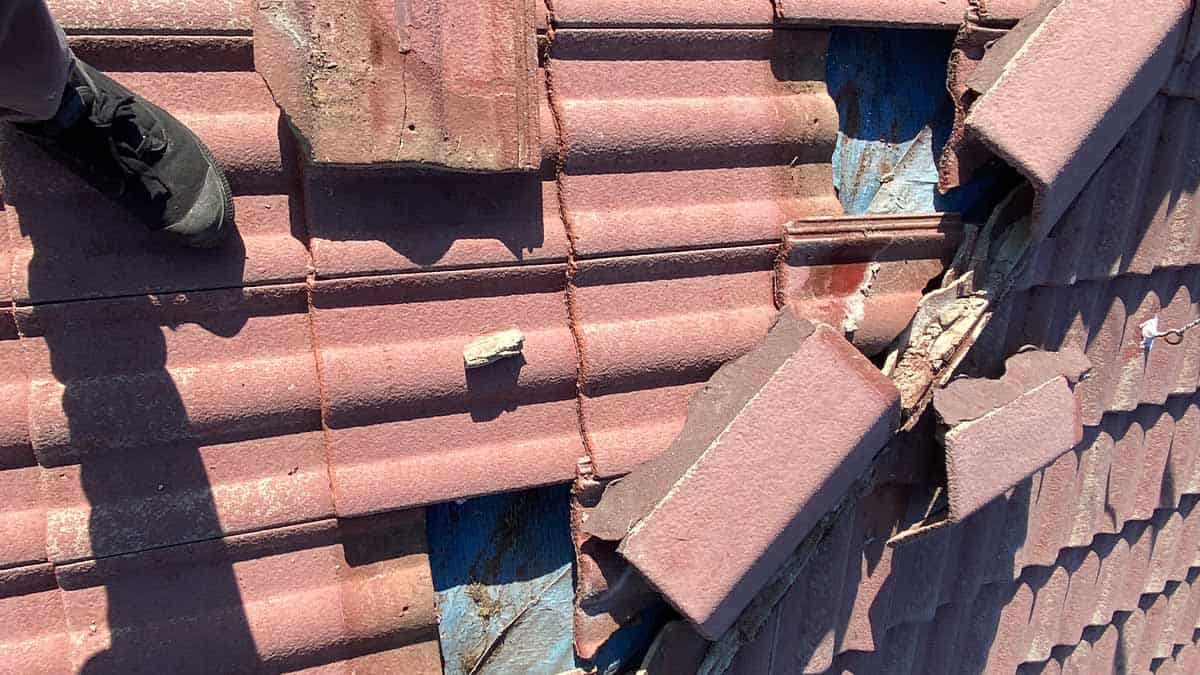
- Look for cracked, chipped or slipped tiles from the ground.
- Have loose ridge caps and deteriorated bedding or pointing assessed.
- Ask whether moss or lichen needs treatment and which method suits the tiles.
- If the roof leaks, ask the roofer to check beneath the damaged tiles where accessible.
Repointing should follow an assessment of the ridge caps, rather than the roof’s age alone. Our explanation of when ridge caps need roof pointing repair covers the signs that warrant a closer inspection.
Metal and Colorbond roofs
- Check for rust at fasteners, sheet edges and valleys.
- Have scratches, damaged coatings and loose fixings assessed.
- Keep debris from accumulating where it can hold moisture.
- Ask whether an older roof needs a full restoration once the surface coating fails.
If your Colorbond roof is showing signs of rust or coating failure, arrange an assessment rather than waiting for an annual visit. Cleaning does not repair corrosion or a leaking fixing.
BlueScope’s COLORBOND maintenance guidance recommends washing areas sheltered from rain at least every six months, more often in coastal areas. Ask a professional to handle areas you cannot reach safely and follow the product’s care instructions.
Roof maintenance tasks you can do yourself safely
Keep your own checks at ground level. A ladder introduces fall risks even when you have no intention of stepping onto the roof.
Checks you can make from the ground
- Use binoculars to look for displaced tiles, loose sheets and debris.
- Watch for gutter overflow from a sheltered position during rain.
- Look indoors for new ceiling stains or damp patches.
- Photograph visible changes so you can show the roofer where the problem is.
- Identify overhanging branches and arrange suitable help to prune them.
Tasks to leave to professionals
- Accessing the roof or clearing gutters that require work at height.
- Repairing cracked tiles or rusted fasteners.
- Replacing flashings or ridge capping.
- Cleaning tiles or recoating with roof paint.
- Investigating defects inside the roof cavity.
Keep the inspection safe: Stay off wet or damaged roofs and keep clear of loose roofing materials. Use photos taken from a safe position to explain the problem when booking help.
All Pro Roof Restoration operates under NSW Fair Trading licence 178790c. Ask about the proposed access method and what the inspection includes before the visit.
Common roof maintenance mistakes to avoid
A maintenance job should suit the roof in front of you. A cleaning method or coating used on a neighbour’s roof may be unsuitable for yours.
- Using pressure cleaning without assessing the tile condition, coatings and risk of forcing water beneath laps.
- Checking the roof surface but overlooking gutters, outlets and downpipes.
- Walking on tiles to reach a small patch of debris.
- Painting over an unresolved leak or corrosion.
- Assuming installing leaf guard removes the need for gutter checks.
- Ignoring the care and inspection requirements supplied with a new roof.
Leaf guard can reduce the amount of larger debris entering gutters, but fine material can still accumulate. Ask how the proposed guard will be inspected and cleaned before choosing it.
Warning signs that mean your roof needs more than basic maintenance
Book an assessment when you notice a change in how the roof drains or keeps water out. A new stain deserves attention even if it dries between showers.
- Water stains or damp patches on ceilings.
- Visible rust streaks or holes in metal roofing.
- Cracked, broken or missing tiles.
- sagging gutters or damage along the roofline.
- Roof materials displaced after strong wind.
- Paint flaking in patches or material collecting in gutters.
- Moss or lichen that obscures the surface during inspection.
Arrange an assessment of a leaking roof before assuming the stain sits directly beneath the fault. Water can travel before becoming visible indoors.
Homeowners needing roof repairs on the Central Coast can use dated photos and notes about when the leak appears to help explain the problem. Record whether it happens during wind-driven rain, prolonged rain or every shower.
How seasonal weather affects roof maintenance schedules
Storms can occur outside a neat seasonal schedule. Coastal properties may also need closer checks for corrosion and debris trapped against metal surfaces.
- In spring, review winter damage and clear accumulated debris.
- In summer, check after severe weather once conditions are safe.
- In autumn, check drainage and arrange clearing where leaves have collected.
- In winter, watch for water entry during rain and report new leaks promptly.
For roof repairs around Lake Macquarie, describe any exposure to salt spray when booking an inspection. The condition of sheet edges and fasteners helps determine which repairs a metal roof needs.
Does home insurance cover roof damage from poor maintenance?
Cover depends on the cause of damage and your policy wording. Allianz’s home insurance information, for example, lists wear and tear or existing defects among exclusions.
Check your own policy: Do not assume storm damage and gradual deterioration are treated the same way. Ask your insurer about the relevant cover, exclusions and evidence needed for a claim.
Keep dated photographs, inspection reports and repair invoices together. Maintenance records can help explain the roof’s history, but they do not guarantee that a claim will be accepted.
What affects roof maintenance costs?
A useful maintenance price starts with a defined scope. Roof size, pitch, height, access and the defects found all affect the quote.
| Work being quoted | What to clarify |
|---|---|
| Gutter and downpipe clearing | Access, debris removal, outlets and how blockages will be checked |
| Roof inspection | Whether it is a quotation visit or a separately priced written condition report |
| Tile or flashing repairs | Locations, materials and any underlying damage included |
| Ridge cap repairs | Whether bedding repairs are needed as well as pointing |
| roof sealing or protective coating | Surface preparation, product suitability and warranty terms |
| Restoration | Repair scope, preparation and coating system where appropriate |
Separate urgent repairs from optional appearance work when comparing quotes. A free quote should also be distinguished from a detailed inspection report prepared for a particular purpose.
For larger jobs, the factors behind the cost of a full roof restoration help explain why two roofs can attract different prices. Contact All Pro for a free quote based on your home’s condition.
When to call a professional for roof maintenance and repairs
Arrange help for work at height, active leaks or visible damage. When booking professional gutter cleaning or repairs to damaged roofing, explain what you have observed and ask what the visit covers.
- Ask for a written scope, including access and clean-up.
- Check the contractor’s licence and insurance.
- Ask which defects need prompt repair and which can be monitored.
- Request photos of areas you cannot inspect yourself.
If coating work is proposed, choosing a roof painter with the right credentials includes checking preparation methods and the product system. Ask about Dulux Acratex suitability and the specific warranty terms if that system is quoted.
David at All Pro is an owner-operator with over 30 years of experience. The team handles restoration of residential roofs and can explain whether maintenance, repairs or a larger job suits your home.
Restoration services also cover homes in the Hunter Valley, homes around Lake Macquarie and homes in Port Stephens. Request a free roofing quote to discuss the work your roof needs.
Frequently asked questions about roof maintenance
Use these answers to prepare for a roofing visit. An inspection is needed to determine the cause of a particular leak or defect.
Inspections and roof condition
Is a roof inspection included in a free quote?
Ask whether the visit is a free quotation or a paid condition assessment with a written report. All Pro offers free quotes; confirm any report requirements when booking.
Can I walk on my roof to inspect it myself?
Keep your inspection at ground level using binoculars or a camera zoom. Leave roof access to a professional with suitable equipment and a safe access plan.
What happens if you never maintain your roof?
Blocked drainage and small defects can remain unnoticed until water enters the home. Regular checks help identify work that needs attention, although they cannot prevent every leak or storm impact.
How long does a well-maintained roof last?
There is no single lifespan for every tiled or metal roof. Materials, installation, exposure and past repairs all matter when deciding whether to repair or fully replace a roof.
Ask the roofer to explain the evidence behind a replacement recommendation and check any product warranty separately.
Is pressure cleaning safe for roof tiles?
The method must suit the tile type and condition. A professional roof clean matched to the material should account for fragile tiles, existing coatings and the risk of water entering beneath the tiles.
Choosing help and keeping records
How do I check if a roofer is licensed in NSW?
Use the NSW Fair Trading public register to check the contractor’s details. All Pro’s NSW Fair Trading licence number is 178790c.
Are gutter guards worth installing?
They can help where leaves repeatedly collect, provided the design suits the roof and nearby trees. Guards still need inspection and cleaning, so ask about ongoing access and upkeep.
Do I need a roof inspection before installing solar panels?
Ask your solar installer whether the roof’s condition and structure need assessment before installation. Arrange any identified repairs before panels restrict access, and agree who is responsible for the roof fixings and weatherproofing.
For an existing system, use qualified help for electrical equipment and ask the roofer to coordinate access with the solar installer where needed.
Should I keep records of my roof maintenance?
Keep dated photos taken safely, inspection reports, repair invoices and relevant warranty documents. Note recurring leaks and the weather conditions when they appear so the next roofer can follow the history.
How does roof maintenance affect my home’s resale value?
Visible defects may prompt questions during a buyer’s building inspection. Repair records help you explain what was done, but maintenance does not guarantee a higher sale price or faster sale.