Roof repairs address faults such as cracked tiles, leaking flashing and loose ridge caps. If you own a home on the Central Coast, Lake Macquarie or Newcastle, the first decision is whether the damage is confined to one area or points to a wider problem.
An inspection should establish where water enters and what needs fixing before you commit to repairs or restoration. Painting over a leak will not repair its cause.
Identifying the need for roof repairs
A roof does not always fail all at once. Water stains on ceilings, persistent damp smells or a new drip during rain deserve attention, even when the roof looks intact from the street.
Check from ground level rather than climbing up or entering a damaged roof space. A stain can appear some distance from the entry point because water travels along roofing materials or framing.
- Cracked, slipped or missing tiles that leave gaps in the roof covering.
- Loose or crumbling mortar around ridge caps and gables.
- Moss or lichen growth that warrants checking the surface condition, rather than assuming the whole roof needs replacing.
- Rust, holes or lifting around valley irons and flashing.
- Sagging roof sections or a bulging ceiling, which need urgent professional assessment.
Leaving a leak unresolved can allow repeated wetting of insulation, sarking and timber. What starts as a local repair may then involve work inside the roof cavity as well as the roof covering.
Common types of roof repairs
The type of fix depends on the material, location of the damage and how far the issue has progressed. Ask the roofer to explain the cause before agreeing to a surface patch.
- Leak repairs. Trace water entry through tiles, flashing or valleys before selecting the repair; finding the cause of a leaking roof explains why the wet spot inside is only a starting clue.
- Tile replacement. Replace individual damaged tiles with compatible profiles and check the surrounding area, including the underlay where accessible.
- Flashing and valley repairs. Repair or replace failed sections around roof junctions and valleys so water can drain away.
- Ridge capping. Re-bed loose caps or renew failed pointing after checking whether the bedding remains sound.
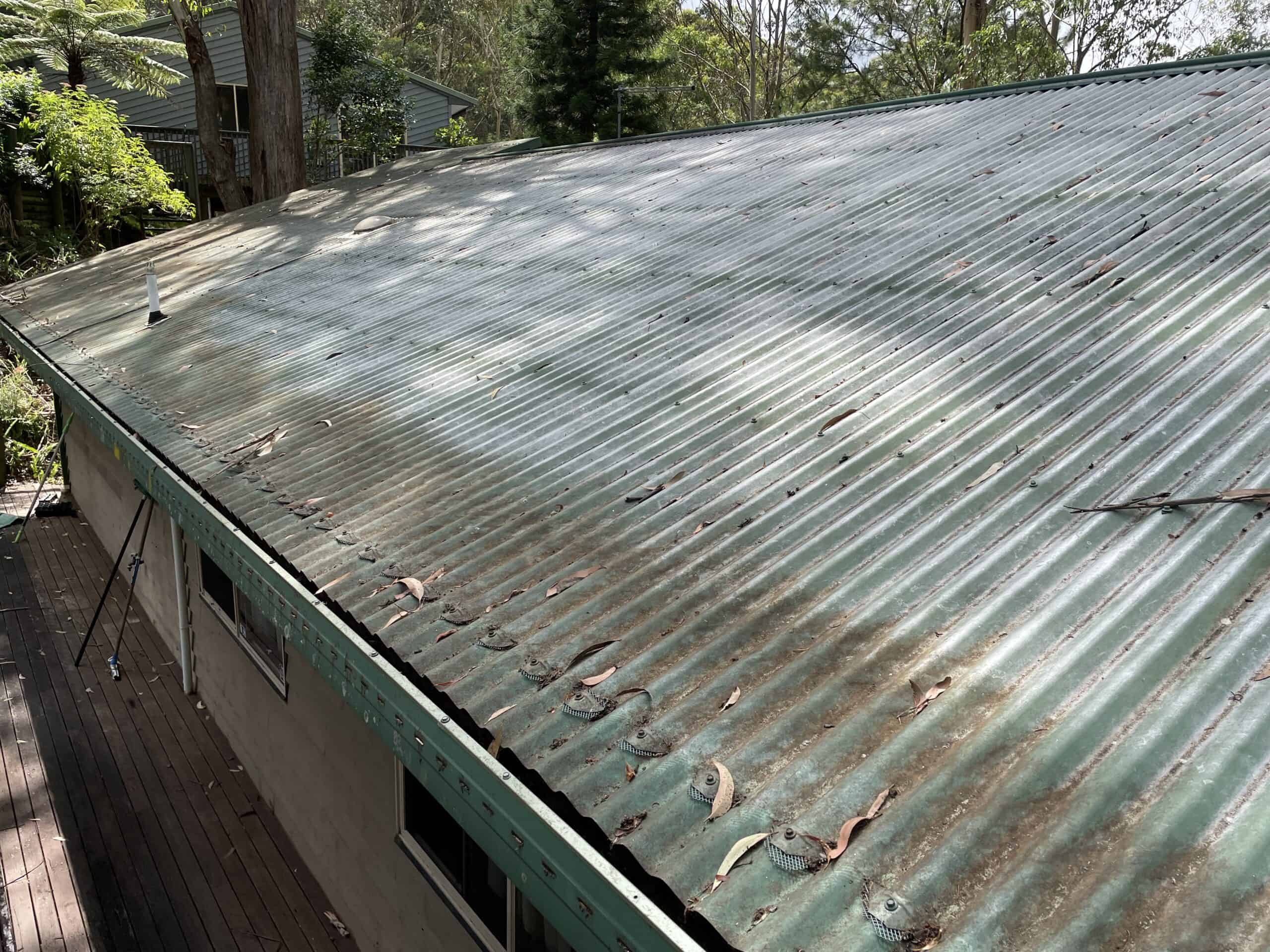
- Metal and Colorbond repairs. Inspect fasteners, washers, sheet laps and corrosion; repair options for metal roofs depend on whether the fault affects a fixing or the sheet itself.
- Gutter and fascia repairs. Check blockages, sagging and rust, because gutter faults can contribute to roof leaks and may need attention alongside the roof covering.
For a damaged steel roof, assessing damage to a Colorbond roof helps explain the difference between a local fixing problem and deteriorated sheeting.
Environmental factors affecting coastal roofs
Exposure varies between homes, even within the same suburb. Salt exposure, shade, surrounding trees and the condition of existing materials all matter when planning maintenance.
- For roof repairs around Lake Macquarie, including Swansea and Charlestown, ask the roofer to assess corrosion and drainage rather than relying on the roof’s age alone.
- When arranging roof repairs for a Newcastle home, mention recurring leaks during wind-driven rain and which side of the house is affected.
- On homes around Gosford and Wyong, nearby trees can add leaf debris to valleys and gutters, so include those areas in the inspection.
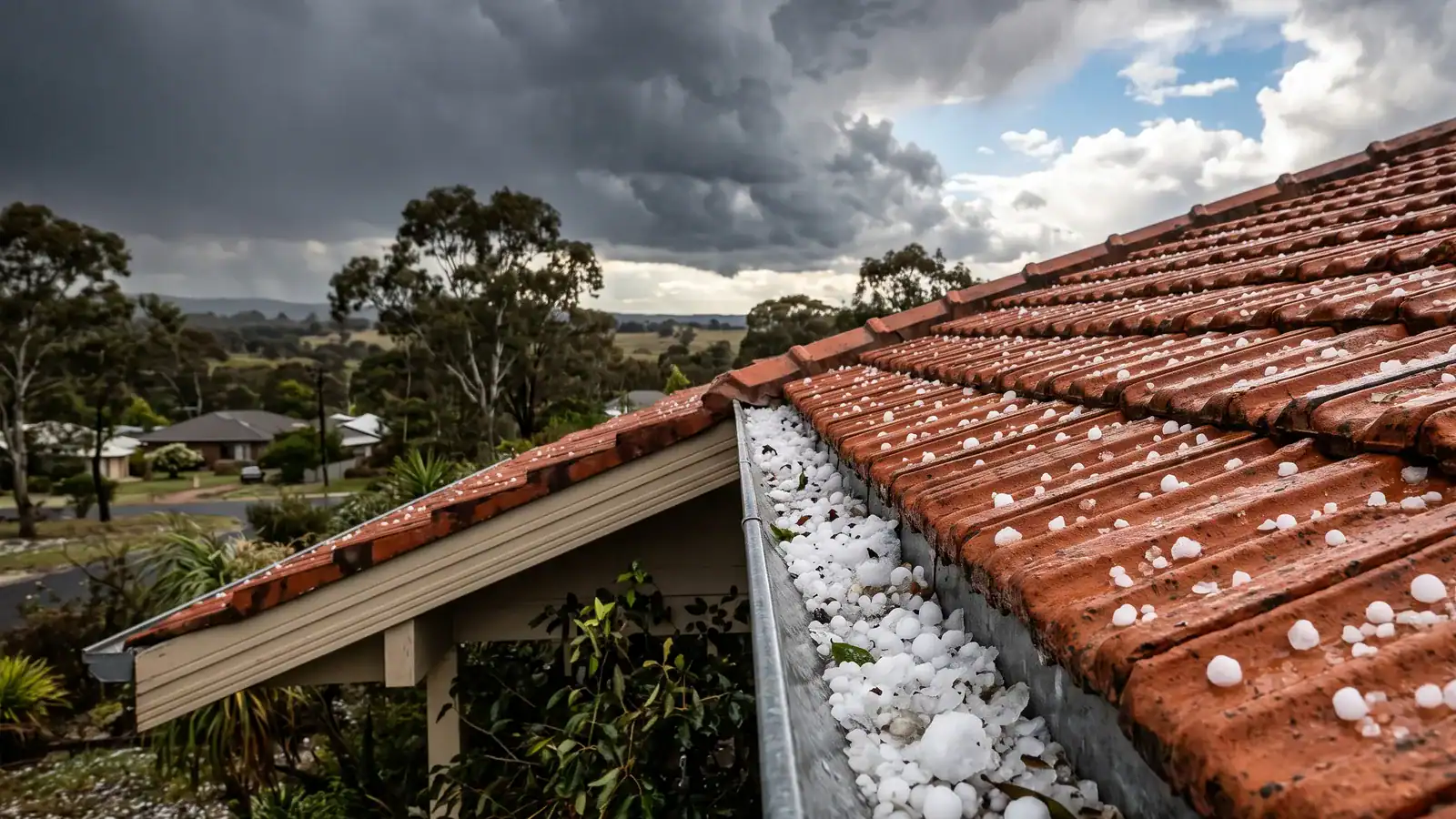
Storms can expose weak flashing or loose roofing materials at any time of year. Record when a leak occurs, such as only during heavy rain or a particular wind direction, to help the roofer investigate.
What to expect from a professional roof inspection
At All Pro Roof Restoration, David is the owner and tradesman, with over 30 years of experience. He personally inspects and works on jobs, so you can discuss the fault and proposed repair with the person doing the work.
A useful inspection covers more than the visibly damaged tile. Ask which areas can be inspected safely and whether any concealed sections remain uncertain.
- Tiles or metal sheets, including surrounding areas that may have related damage.
- Valley irons and flashing for corrosion, lifting or failed joints.
- Ridge capping mortar for cracks, gaps and loose caps.
- Gutters, downpipes and fascia boards for drainage problems or deterioration.
- Accessible roof cavity areas for water staining, damaged sarking or timber concerns.
Request photos of faults where practical and a written scope before accepting a quote. It should distinguish the confirmed repair from any further investigation needed once tiles or sheets are lifted.
Comparing roof repairs and full restoration
Professional roof repair work focuses on specific faults, such as a broken tile or leaking flashing. Localised damage can be repairable on an older roof too, provided the surrounding materials remain serviceable.
A full roof restoration combines repairs with wider surface preparation and, where appropriate, a coating system. Age alone is not a reason to restore or replace the roof.
Understanding the stages of a complete roof restoration helps you compare the scope with a repair quote. Preparation may include professional roof cleaning before coating, using a method suited to the roof material and condition.
| Decision | Targeted repairs | Full restoration |
|---|---|---|
| Suitable starting point | One or several identifiable faults with sound surrounding materials. | Broader deterioration on a roof still suitable for restoration. |
| Scope | Repair or replace affected components. | Repair faults, prepare surfaces and apply a suitable coating where specified. |
| Appearance | Limited change; replacement materials may not match weathered surfaces exactly. | A wider appearance change, depending on the material and coating chosen. |
| Limits | Does not address unrelated deterioration elsewhere. | Cannot make unsound framing or severely deteriorated materials serviceable by coating them. |
If damage is widespread or structural concerns are present, signs your roof may need full replacement are worth discussing before committing to repeated patching.
Re-bedding and repointing ridge caps
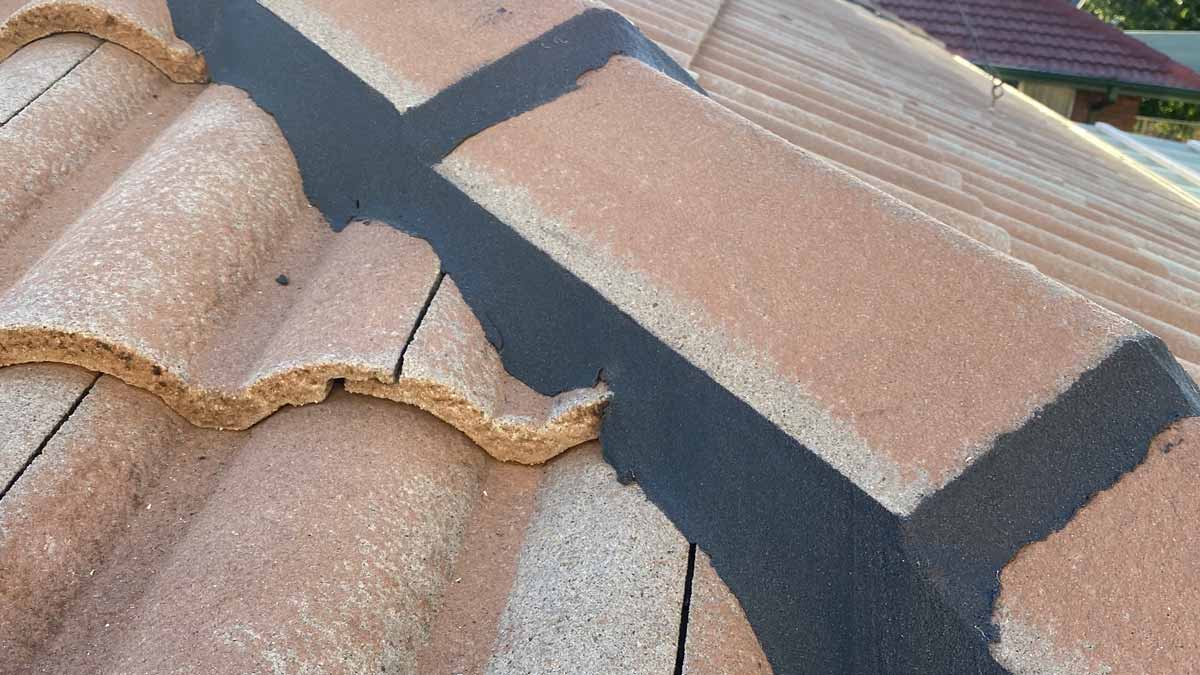
Ridge caps cover the junctions between sections of a tiled roof. Bedding supports the caps, while pointing covers the exposed bedding edges and helps secure and weatherproof the junction.
If the bedding is sound, repointing alone may be appropriate. Loose caps or failed bedding need assessment for re-bedding before fresh pointing is applied.
- Inspect the caps and bedding to establish which sections need removal.
- Remove failed material and re-bed affected caps on a suitable mortar base.
- Apply compatible flexible pointing following the product instructions.
- Keep required drainage openings clear and inspect the completed junctions.
Flexible pointing accommodates movement, but it does not guarantee that cracks can never recur. Ask the roofer which ridge sections are included in the quote.
What affects the cost of roof repairs
A repair price depends on what must be accessed, removed and replaced. A quote based only on a ceiling stain may miss the underlying cause.
- Roof size and pitch. Steeper roofs can require additional access and fall protection arrangements.
- Access. Height and limited space around the house affect how work can be carried out.
- Material. Tile profiles, metal sheets and flashing details require different materials and handling.
- Extent of damage. A local tile repair has a different scope from valley replacement or damaged timber.
- Concealed conditions. Deterioration beneath the covering may only become visible after work starts.
Before accepting, ask whether the quote includes access equipment, materials, disposal and GST. Agree how additional work will be documented and priced before it proceeds.
For an accurate price, request a free inspection and quote. If restoration is also being considered, the factors behind roof restoration costs help you compare the two scopes.
Dulux Acratex coatings and repair warranties
Coatings belong after the required repairs and preparation. All Pro Roof Restoration is a Dulux Accredited applicator and uses Dulux Acratex for suitable restoration work.
Roof painting after repairs and preparation can refresh the finish, but a coating is not a substitute for replacing failed tiles, flashing or sheets. The specified system must suit the roof substrate.
Dulux publishes Acratex roof coating material warranty terms, with eligibility and exclusions. Ask for the warranty applicable to the products quoted rather than assuming a general warranty period covers every part of the repair.
- Ask what workmanship cover applies to the repair and obtain it in writing.
- Separate product warranty cover from the installer’s workmanship obligations.
- Check preparation requirements, maintenance conditions, exclusions and the claim process.
- Keep the quote, invoice and any product warranty documents together.
Why choosing licensed tradesmen for roof repairs matters
Roof work involves fall risks and surfaces that may not support a person’s weight. SafeWork NSW’s working at heights guidance explains the need to manage those hazards before work starts.
Under NSW roof tiling licensing requirements, a contractor licence is required for roof tiling work valued above $5,000 in labour and materials, including GST. Check that the contractor’s licence category covers the work you are commissioning.
- Check NSW Fair Trading licence number 178790c when considering All Pro Roof Restoration.
- Ask for evidence of relevant insurance; a licence number alone does not explain the policy’s cover.
- Confirm who will perform the repair and how safe access will be arranged.
- Use a written scope to clarify materials, repair locations and exclusions.
What can homeowners do themselves?
You can record when leaks occur and photograph visible damage from a safe position. Leave roof access, lifting tiles, replacing flashing and tarping to people equipped for the work.
A DIY patch can hide the entry point without addressing damaged material underneath. Check warranty conditions before altering previous work, and do not assume sealant is suitable for every joint or roof surface.
Long term maintenance for Australian roofs
Keeping drainage paths clear reduces the chance of water backing up around the roofline. Ask your roofer to recommend an inspection and cleaning schedule based on condition, tree cover and exposure.
- Arrange gutter and downpipe clearing as needed, especially where leaves accumulate.
- Have overhanging branches assessed and trimmed safely.
- Look from ground level for displaced materials after strong winds or heavy rain.
- Book an assessment when new stains, leaks or roofline changes appear.
Understanding moss and lichen growth on Newcastle roofs helps you discuss surface cleaning without assuming growth means the roof has failed. A seasonal roof maintenance checklist can help you keep track of routine checks.
Storm damage and emergency roof repairs
Active water entry, displaced roofing or a sagging ceiling needs prompt attention. Keep people away from damaged areas and do not climb onto the roof, including to secure a tarp.
- Move belongings only if you can do so safely, away from water, electrical fittings and unstable ceilings.
- For storm emergency assistance with a damaged or leaking roof, call NSW SES on 132 500; call 000 for a life-threatening emergency.
- Photograph damage from a safe position and contact your insurer about next steps and any required authorisation.
- Ask about temporary weatherproofing and the scope of the later repair; safe access and weather determine what can be done.
The steps for handling an emergency roof repair explain what to organise first. Contact the roofer to confirm availability rather than assuming an immediate callout.
Frequently asked questions about roof repairs
A repair quote should identify the affected roof sections and explain what work is included.
Should I repair or replace my roof?
Localised faults may be repairable if surrounding materials remain sound. Widespread deterioration or structural concerns need a broader assessment before you spend money on patching.
How long do roof repairs take?
The timing depends on access, materials, damage and suitable weather. Ask for an estimated work period after inspection, including any separate visits for preparation or curing.
Does home insurance cover roof repairs in NSW?
Cover depends on your policy and the cause of the damage, so ask your insurer to assess the event and explain relevant exclusions. Keep photos, inspection findings and invoices, and confirm approval requirements before authorising work.
How do I know if a roof repair is urgent?
Active leaks, exposed roof openings or sagging ceilings need prompt assessment. Keep clear of affected areas and use the emergency contacts above if storm damage or immediate danger is involved.
What is re-bedding and repointing?
Re-bedding replaces failed mortar supporting ridge caps; repointing renews the exposed flexible pointing. The condition of the existing bedding determines whether one or both are needed.
How much do roof repairs cost on the Central Coast?
The price depends on the repair type, material, access and extent of damage. Request a free quote with a written scope so you can compare what is included.
Can you repair just part of a roof?
Yes, when the fault is localised and surrounding components are serviceable. The inspection should check adjoining materials so the repair does not leave a related fault untreated.
Book a roof inspection
If you need roof repairs for your Central Coast home, explain what you have noticed and when it started. Homeowners in Lake Macquarie, Newcastle, Hunter Valley and Port Stephens can also contact David about an assessment.
- Describe any active leak, visible damage or previous repair.
- Provide safe ground-level photos if available.
- Ask for a free quote and a clear explanation of the proposed work.