Metal roof repairs for damaged sheets, fasteners and flashings can stop leaks without replacing an otherwise sound roof. The right repair depends on where water enters and how much of the steel remains in good condition.
Rust, loose fasteners and sealant failure can compromise weatherproofing and damage ceilings or insulation. This guide explains what a roofer should check, when repairs make sense and what to ask before accepting a quote.
Common Problems Requiring Metal Roof Repairs
Metal roofs fail in predictable ways. A patch over a leak can fail again if the damaged flashing or corroded sheet underneath remains in place.
- Corrosion and rust: Coastal environments accelerate oxidation, particularly on roof repairs for Central Coast homes and Port Stephens where exposure to salt varies with distance from the coast and local conditions. Once rust gets under the protective coating, it spreads fast beneath the surface. Homes closer to the water are hit hardest because airborne salt crystals settle into scratches and fastener holes, trapping moisture against bare steel. Our guide on how salt air damages roof paint on Newcastle homes covers this in detail.
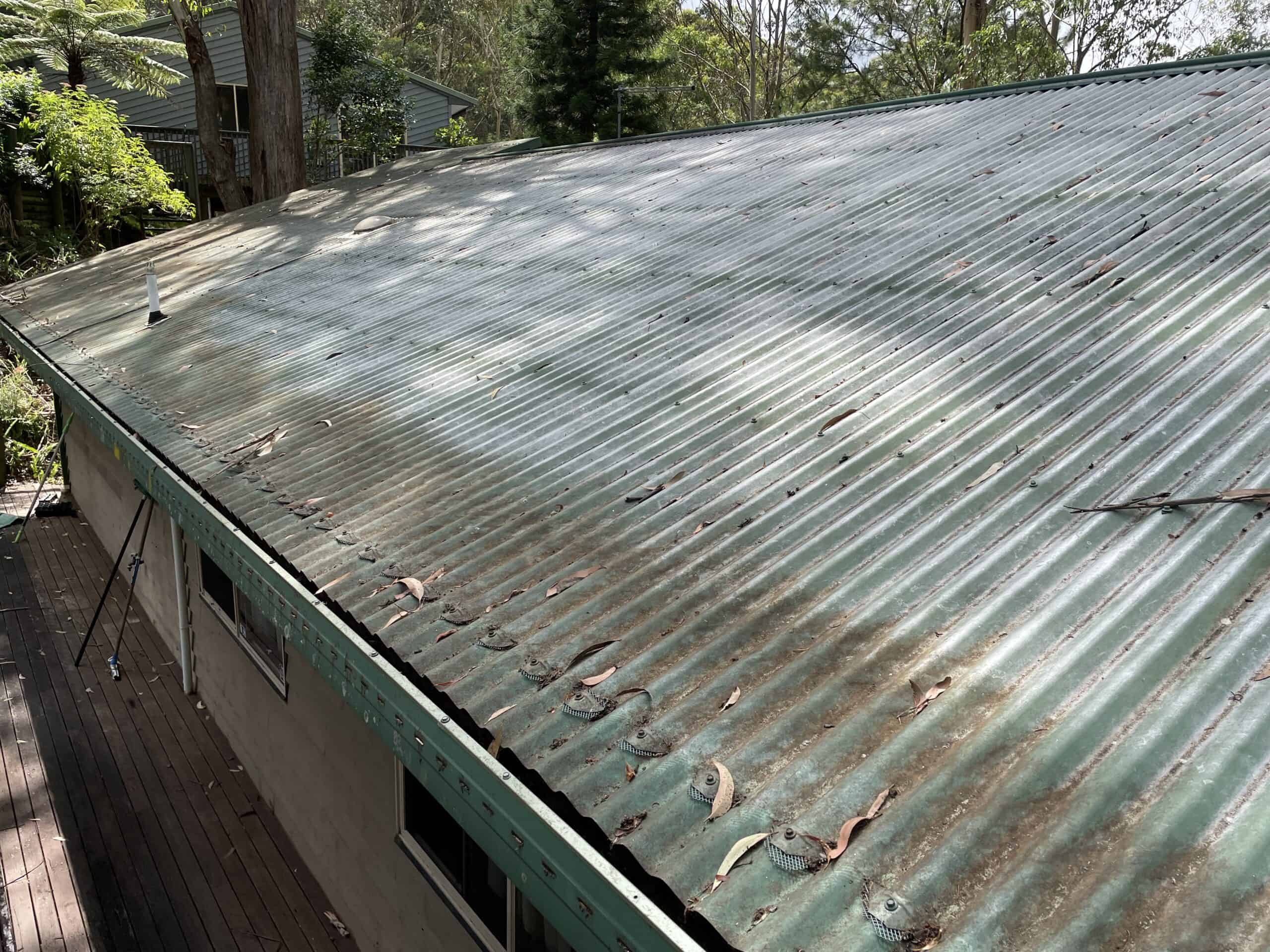
- Fastener failure: Screws and rivets work loose over time as metal expands and contracts with temperature swings. Missing or corroded fasteners let sheets lift in high winds, creating entry points for water.
- Sealant breakdown: Silicone and polyurethane sealants degrade under UV exposure. Cracked or missing sealant around penetrations (vents, chimneys, skylights) is one of the most common causes of leaks.
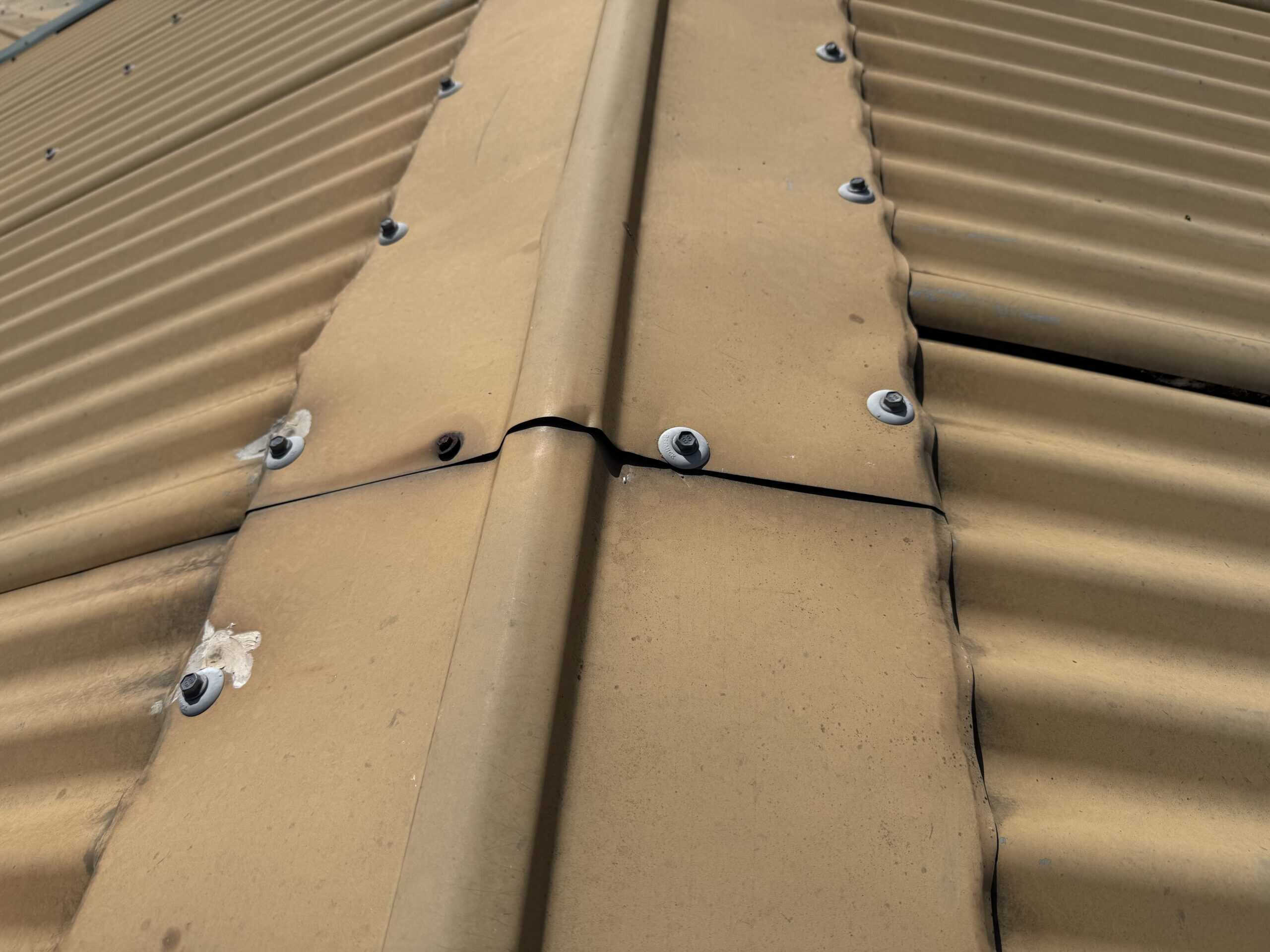
- Flashing damage: Incorrectly installed or corroded flashing at valleys, ridges, and wall junctions lets water run under the roof sheets rather than over them.
- Panel displacement: Storm damage, foot traffic, or poor installation can bend or shift panels out of alignment, breaking the weatherproof seal.
All Pro Roof Restoration inspects the roof before recommending work, with David bringing over 30 years of trade experience. The assessment helps separate a localised leak from wider deterioration needing restoration.
How Licensed Tradesmen Approach Metal Roof Repairs
A professional repair follows a diagnostic process, not a quick patch. Licensed contractors registered with NSW Fair Trading (such as All Pro Roofing, licence number 178790c) assess structural integrity, identify hidden damage, and recommend solutions that meet local building codes.
Initial Inspection and Documentation
An inspection checks fasteners, sheet condition, laps, pitch and sealant, using access methods suited to the roof’s condition. Any evidence of prior DIY repairs is noted because these often mask deeper issues.
Fastener Replacement and Resealing
Replacement screws and sealing washers must suit the roof sheet, supporting material and exposure. The roofer should check enlarged holes and deteriorated supports before choosing a replacement, rather than simply fitting a larger screw everywhere.
Rust Treatment and Protective Coating
A roofer first checks whether corrosion is superficial or has thinned the sheet. Preparation and any coating system must suit the existing finish; paint cannot restore steel lost to rust.
Perforated or badly weakened sheets may need replacement. repairing a damaged Colorbond roof also requires care with the existing original finish.
Colorbond has a pre-painted finish, while Zincalume has a metallic coating; older galvanised roofs have another coating system again. Ask the roofer to identify the material before specifying primers, sealants or replacement sheets.
If you’re weighing up the two materials, how Colorbond roofing differs from other metal roofing covers the key differences for NSW homes.
Check compatibility before replacing parts
Mixing metals can cause corrosion even when the new part looks stronger. BlueScope’s compatibility guidance considers both direct contact and water draining from one material onto another.
- Check replacement screws and flashings against the sheet manufacturer’s requirements.
- Assess nearby copper or lead components and the direction of runoff.
- Use a sealant approved for the actual coated steel and joint.
Flashing Repair and Installation
Flashing dimensions and fixings depend on the roof profile, pitch and junction. The Lysaght roofing installation manual provides product-specific details, so a single overlap measurement should not be applied to every repair.
Inspection record: Ask for photos identifying the leak source, the proposed repair and the completed work. Keep the quote and product details with these photos for future maintenance.
When to Consider a Full Roof Restoration Instead
Repeated repairs in different places are a reason to assess the whole roof. Restoration may suit weathered but sound sheets; widespread perforation or damaged supports can make replacement more appropriate.
- Surface corrosion across several areas, with sheet thickness checked before recommending restoration
- Faded or chalking paint needing an assessment of the remaining coating
- Multiple leaks in different areas, pointing to systemic failure
- Previous repairs that have already been patched once or twice
- Coating deterioration across otherwise repairable sheets, assessed alongside exposure and maintenance history
If you’re weighing up whether repairs alone will do the job, our guide on whether your metal roof needs restoration walks through the decision points.
A professional restoration of a weathered roof can include roof cleaning before coating, local repairs and a suitable coating system such as Dulux Acratex. The exact scope depends on the roof, as explained in what roof restoration actually involves.
| Approach | When it may suit | What to establish first |
|---|---|---|
| Spot repair | Isolated fastener, sealant or flashing fault | The surrounding sheets and supports are sound |
| Sheet replacement | A damaged or perforated section | Compatible profile, fixings and sound supports |
| Restoration | Weathered coating across repairable sheets | All leaks and defective sheets can be addressed before coating |
| Roof replacement | Widespread sheet failure or deeper damage | Condition of the structure and the scope needed to make it sound |
Ridge capping and drainage on metal roofs
Metal ridge capping is a formed metal flashing over the roof’s highest junction. Mortar bedding and repointing tiled ridge caps belong to tiled roof work, rather than a standard metal-roof repair.
- Check loose fixings and damaged capping.
- Assess the junction against the roof profile and manufacturer’s installation detail.
- Look for corrosion and failed joints along the water path.
- Check drainage as well as the apparent leak point.
Overflowing gutters can complicate diagnosis, which is why gutter and roof repairs often go hand in hand. Ask the roofer to explain how each proposed repair addresses the water entry.
- Faded finishes may call for roof painting on the Central Coast after leaks are repaired.
- Several failing areas may justify an assessment for roof restoration in Newcastle or roof restoration in the Hunter Valley.
- For coastal homes, roof restoration in Lake Macquarie and roof restoration in Port Stephens should account for the roof’s exposure and remaining sheet condition.
Choosing a Qualified Contractor for Your Metal Roof
Not all roofing contractors are equally qualified for metal work. Before hiring, check the basics:
- Licensing: Verify the contractor holds a valid NSW Fair Trading licence. All Pro Roofing’s licence number is 178790c.
- Insurance: Ask for current evidence of public liability insurance and applicable workers compensation cover.
- Product knowledge: Ask which coating system is proposed and request its written warranty terms. All Pro is Dulux Accredited, but coverage still depends on the product and conditions.
- Local experience: Coastal salt spray, humidity, and UV intensity vary across NSW. A contractor familiar with roof restoration on the Central Coast, Newcastle, or Port Stephens conditions knows which fasteners, sealants, and coatings perform best in your microclimate.
Before accepting: Ask for the repair scope, exclusions, payment schedule and written warranty terms. A quote should identify what will be repaired and what remains outside the work.
Preventative Maintenance to Reduce Future Repair Costs
Regular maintenance stretches the gap between major repairs and catches small problems before they get expensive. Most homeowners can handle basic inspections, while professional services cover anything requiring roof access or specialised equipment.
- Annual visual inspection: Look for loose or missing fasteners, rust spots, and cracked sealant around penetrations. Binoculars let you inspect safely from ground level.
- Clear gutters and downpipes: Blocked drainage forces water back up under roof sheets. Clean gutters at least twice a year, more often if you have overhanging trees.
- Trim overhanging branches: Leaf litter traps moisture against metal, speeding up corrosion. Branches also scratch protective coatings in high winds.
- Cleaning method: Arrange cleaning to suit the sheet manufacturer’s instructions and the existing finish. Correct preparation helps protect the roof coating; unsuitable pressure or chemicals can damage it.
- Coating assessment: Have rust and finish damage assessed before painting over them. A roof painter experienced with metal finishes can explain whether recoating is suitable or a damaged sheet needs replacement.
Keep a record of leaks, recent storms and previous repair work for the roofer. The professional roof repairs and restoration guide explains how an assessment informs the proposed work.
Understanding Warranties and Workmanship Guarantees
Warranties vary depending on the products used and who does the work. Knowing what’s covered prevents disputes if problems come up after the repair.
- Product warranties: Ask for the actual coating or sheet warranty, including eligibility, exclusions and maintenance requirements. A warranty on new material does not promise the same remaining life for an old roof.
- Workmanship: Ask the contractor to state in writing what cover applies to the repair work and how a recurring leak will be handled.
- Exclusions: Read the documents for restrictions on damage, later alterations and maintenance. Keep inspection photos and servicing records with the warranty.
Cost Considerations and Getting an Accurate Quote
Metal roof repair costs depend on the extent of damage, roof pitch and access, materials, and the contractor’s experience. Check that each quote covers the same damaged areas and access arrangements.
- Scope of work: Replacing accessible fasteners involves different labour and materials from replacing multiple sheets or remaking a flashing.
- Roof access: Single-storey homes with low-pitch roofs are quicker and safer to work on than multi-storey properties needing scaffolding.
- Materials: Compare the specified sheets, fixings and sealants, not just the total price.
- Location: Travel time and regional cost variations affect labour rates. Contractors servicing roof repairs for Newcastle homes or the Hunter Valley factor these into pricing.
Ask the roofer to distinguish these scopes when pricing the job:
| Work | What the quote should identify |
|---|---|
| Local leak repair | Fault location, replacement parts and access requirements |
| Sheet replacement | Number and length of sheets, matching profile and disposal |
| Restoration | Repairs included, preparation, coating system and exclusions |
Roof size, pitch, condition and access all affect the price, so a generic online range cannot establish the cost for your home. Contact All Pro for a free quote based on an inspection.
Request an itemised quote that breaks down labour, materials, and extras like scaffolding. Compare the proposed work and exclusions alongside the price. For homeowners considering a broader overhaul, our guide on how much roof restoration costs covers pricing factors in detail.
Request a written scope with the quote so you can see why each product or repair is recommended. Ask how unexpected damage found after removing a sheet would be priced and approved.
Frequently Asked Questions About Metal Roof Repairs
- Photograph visible symptoms from ground level before the inspection.
- Have any previous repair invoices ready so the roofer knows what has already been tried.
Repair options and roof condition
Can you repair a metal roof without replacing it?
Yes, if the damaged area can be repaired and the surrounding sheets and supports remain sound. Widespread perforation or structural damage needs a broader assessment before repairs are recommended.
What is the biggest problem with metal roofs?
Rust, failed fasteners and leaking junctions are common concerns. Salt exposure deserves particular attention on coastal homes, but the actual leak source needs inspection.
Can you repair just one section of a metal roof?
A damaged section can often be replaced while retaining the surrounding roof, provided the supports and adjoining sheets are sound. Adjacent laps or fixings may need to be opened and reinstated as part of the work.
How often should a metal roof be inspected?
Check from ground level after storms and arrange a professional roof maintenance inspection suited to the roof’s condition and exposure. Ask the roofer to recommend an interval and follow any product warranty requirements.
What causes metal roofs to leak?
Water can enter through failed flashings, deteriorated fastener seals or damaged sheets, while blocked drainage can contribute. The guide to diagnosing leaking roofs on the Central Coast explains why the ceiling stain may not sit directly below the fault.
Planning and paying for repairs
Do metal roof repairs need council approval in NSW?
Some minor work may be exempt, but it must meet all relevant development standards, as the NSW Planning Portal explains. Confirm the requirements for your property and proposed scope with council or a qualified certifier before work, particularly for heritage or structural changes.
Is it worth repairing an old metal roof or replacing it?
If rust is localised and the structure is solid, repairs are the more cost-effective option. When corrosion is widespread and multiple panels are failing, replacing a roof with widespread damage typically delivers better long-term value.
How long do metal roof repairs last?
There is no reliable single lifespan for every repair. Remaining sheet condition, exposure and workmanship matter, and a restoration of an ageing metal roof should come with a clearly specified scope and applicable product terms.
How much do metal roof repairs cost in NSW?
The cost depends on the fault, the number of affected sheets and the access needed. Request an itemised inspection-based quote that separates repairs from any optional coating work.
Does home insurance cover metal roof repairs?
Cover depends on the cause of damage and your policy. Ask your insurer what evidence and authorisation it needs before non-urgent work, and keep photos and the roofer’s assessment.
When is the best time of year for metal roof repairs in NSW?
Book planned work for a suitable dry weather window and the application conditions specified for the products. Active leaks should be assessed promptly; planning roof restoration around Lake Macquarie weather can help when recoating is also needed.
How long does a metal roof repair take?
A localised repair may need less site time than replacing several sheets, but access, hidden damage and weather can change the schedule. Ask for the expected site time, any curing period and the plan for keeping the roof weatherproof if work is interrupted.
What to do if your metal roof is leaking now
Keep away from wet electrical fittings and damaged ceilings, and leave roof access to trained tradespeople. Document visible damage from a safe position and arrange an assessment.
- Keep people clear of the affected room if the ceiling is sagging.
- Move belongings only where it is safe.
- Tell the roofer whether water enters during every shower or only wind-driven rain.
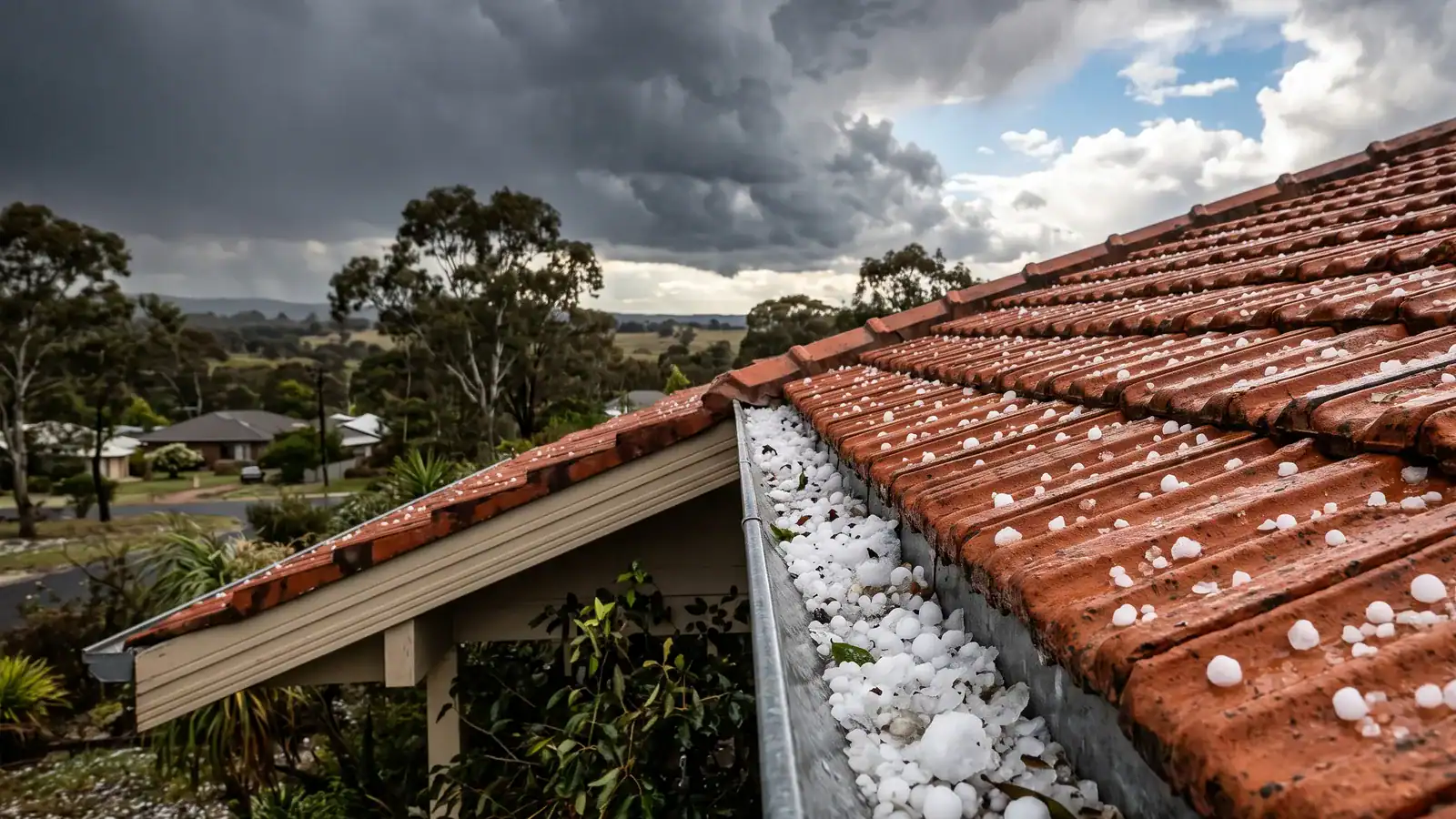
The guide to emergency roof repairs and what to do first explains the immediate steps. If hail preceded the leak, what to check after hail damages your roof helps you prepare for the assessment.
Contact All Pro Roof Restoration to arrange a free quote for metal roof repairs. All Pro’s NSW Fair Trading licence number is 178790c; David can discuss repair options for homes across the Central Coast, Newcastle, Hunter Valley, Lake Macquarie and Port Stephens.
Once leaks are fixed, homeowners considering roof painting in Lake Macquarie can have the existing finish assessed before choosing a coating.