Roof sealing can be worth the money when your roof is sound and its surface needs protection, but leaks and broken materials need repairs first. A suitable coating system can protect prepared tiles or metal sheets from weathering.
Homeowners considering roof restoration on the Central Coast, roof restoration in Newcastle or roof restoration in the Hunter Valley need to account for local weather and their roof’s condition. Porous tiles, worn coatings and cracked materials need different treatment.
This guide explains what roof sealing involves, how to compare costs and which products suit different jobs. It also covers the difference between roof painting and a preparatory sealer coat, because the terms often appear together on quotes.
Professional assessment: Get a free roofing quote from All Pro Roof Restoration. David has over 30 years of hands-on experience with every roof type on the Central Coast and Newcastle.
What Does a Roof Seal Actually Do?
Roof sealing usually means preparing the roof and applying a compatible sealer or coating system to its surface. A primer stabilises the substrate for later coats; it cannot repair cracked tiles, failed flashings or rusted-through sheets.
Unlike a full roof replacement for badly damaged materials, sealing keeps serviceable tiles or sheets in place. Whether that is good value depends on the repairs needed first.
On the Central Coast and Newcastle, salt exposure makes the condition of metal coatings worth checking. Ask the roofer to separate surface weathering from damage that needs replacement before recommending a coating.
Lighter-coloured or reflective top coats can reduce solar heat absorption. A clear primer alone should not be sold as an energy-saving upgrade.
- Concrete tiles: inspect weathered surfaces and replace cracked tiles before coating.
- Terracotta tiles: check tile condition and whether a specified coating system is appropriate.
- Colorbond and metal roofs: inspect corrosion, fasteners and flashings before choosing a coating.
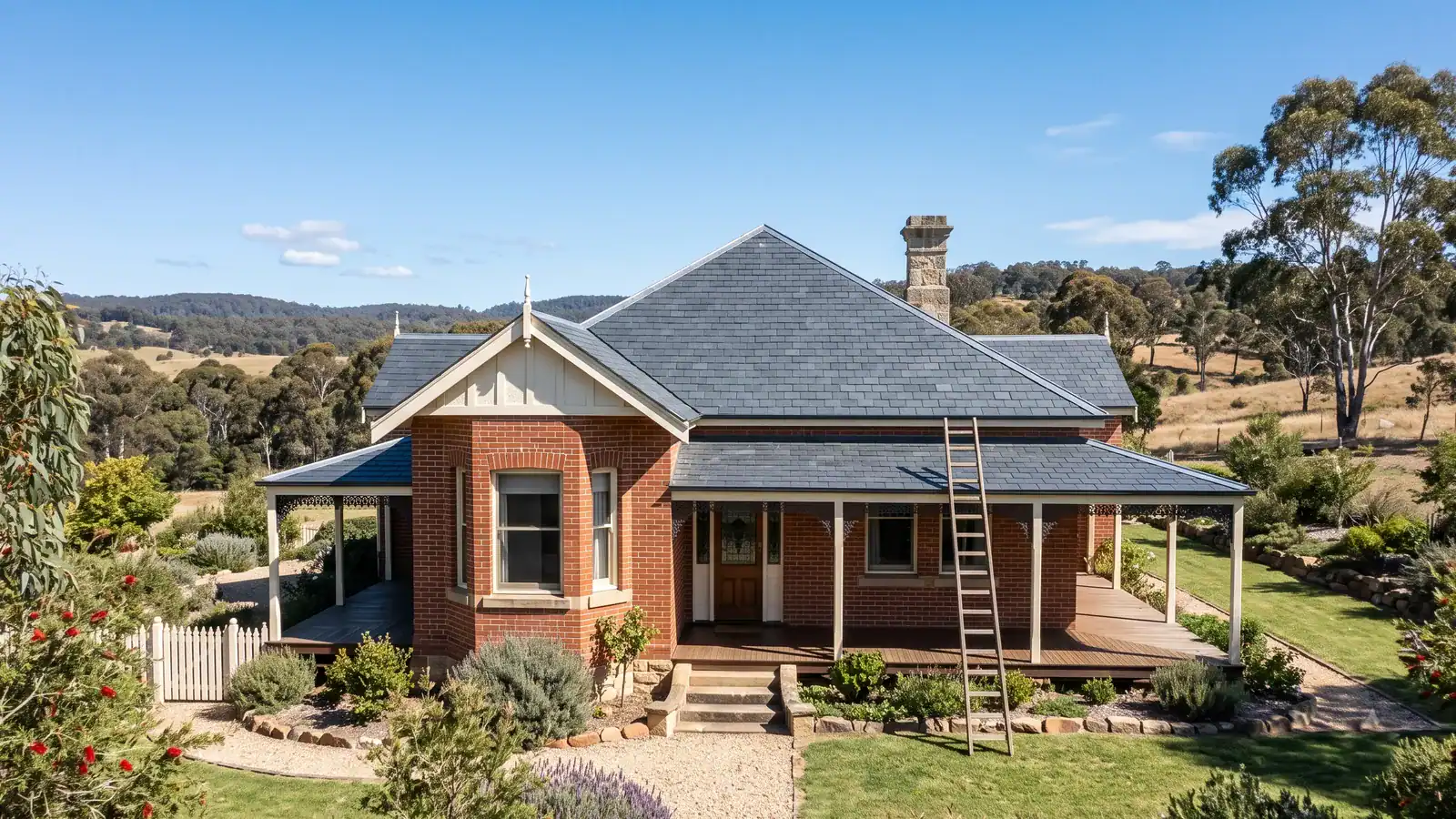
- Slate roofs: assess damaged slates and fixings rather than assuming a surface sealer will solve the problem.
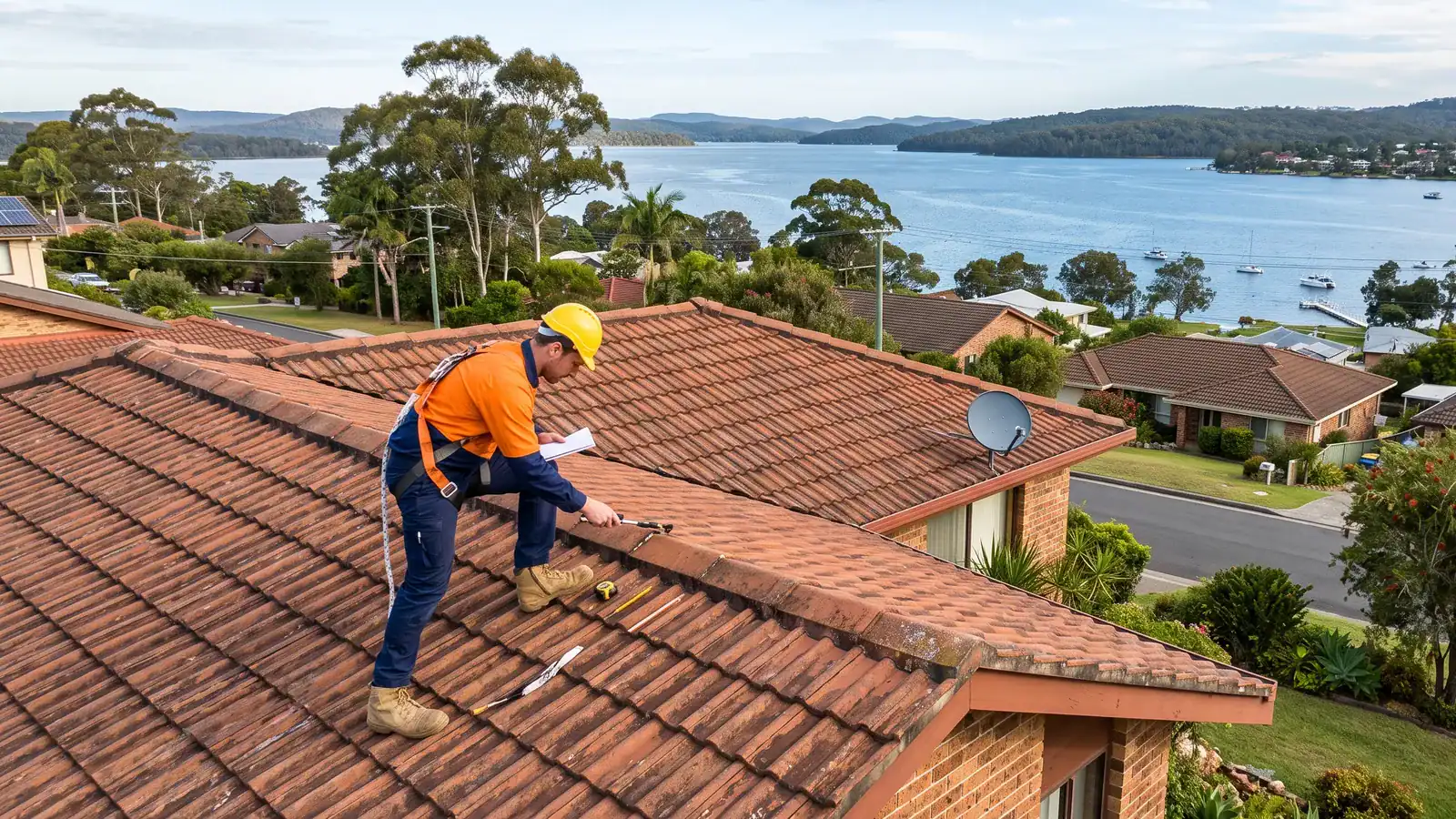
A roof inspection should establish which of these issues is present. Do not pay for sealing on the assumption that it will stop every kind of leak.
Roof Seal vs Roof Paint: Which Do You Need?
People use these terms interchangeably, but they can describe different products. A roof sealer may prepare a porous surface for paint, while a cartridge sealant treats a suitable joint or flashing detail.
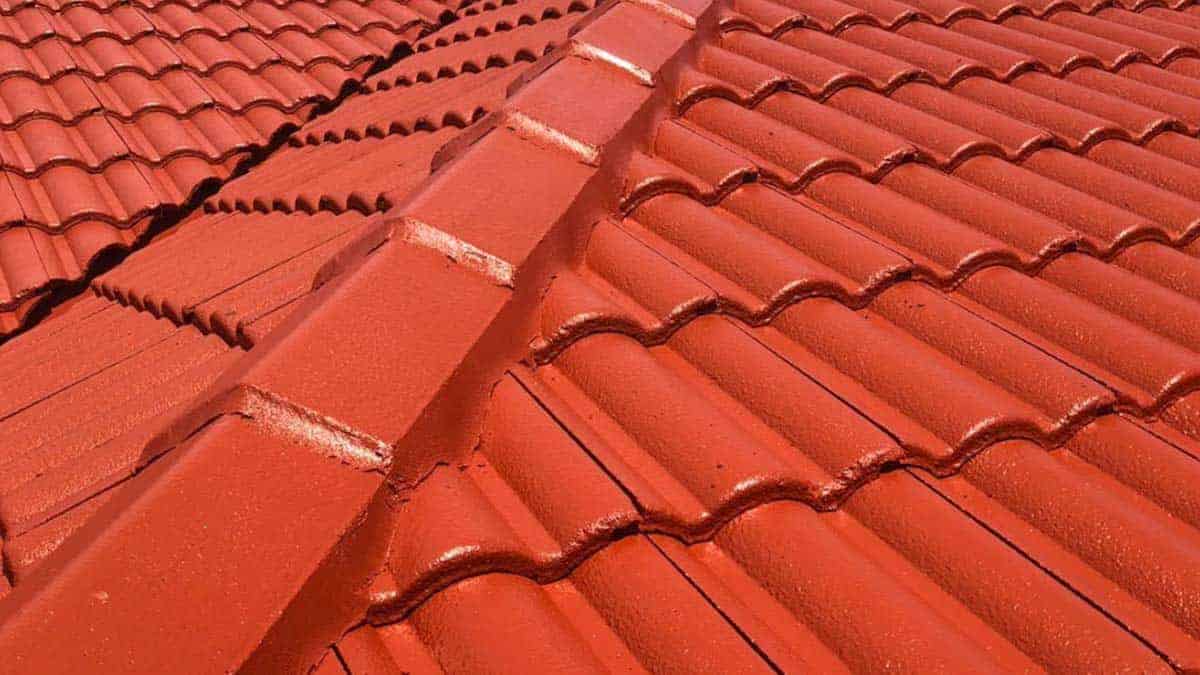
Roof paint is a pigmented top coat that provides colour and weather protection. Many roof restorations involving a new coating include a compatible primer and finish applied in sequence.
Choosing the right roof painter is important because preparation and application quality determine how long the job lasts.
| Feature | Roof Seal | Roof Paint |
|---|---|---|
| Primary purpose | Surface preparation for a compatible coating system | Colour and weather protection |
| Application layer | Primer or sealer specified for the substrate | Top coats applied to the system specification |
| Finish | Product dependent; often covered by top coats | Pigmented finish in the chosen colour |
| Lifespan alone | Do not assume a primer is a standalone finish | Depends on the complete system and roof condition |
| Best used | Where the coating specification requires it | Where sound roofing needs a compatible finish |
| Cost comparison | Check preparation and repairs in the quote | Check whether priming and repairs are included |
If your tiles are faded and porous, a specified sealer and top-coat system may suit them. Only leave a sealer exposed if its manufacturer allows it as a standalone finish.
When sealing forms part of a colour change, a quote for roof painting in Newcastle should identify the preparation and compatible finish.
Should You Seal a Roof Before Painting?
Often, but the roof material and coating specification decide. Weathered concrete tiles may need a sealer or primer to bind a friable surface before painting.
Paint applied over loose material can lose adhesion. Cleaning and the right preparation matter more than adding an extra coat without checking compatibility.
- Concrete tiles: use the sealer or surfacer specified for their condition.
- Terracotta tiles: confirm the system is approved for the tile surface, including any glaze.
- Colorbond/metal: follow the metal coating specification; some systems are self-priming on suitable aged coatings.
Some products are self-priming, so a separate primer is not always required. Ask how the proposed system addresses salt air damage to roof coatings on Newcastle homes.
5 Signs to Check Before Paying for a Roof Seal
A leak may develop before you notice damage indoors. An inspection can establish whether the problem is a worn surface or a defect that needs repair.
These five signs justify an inspection, though they do not prove that sealing is the answer. Identifying the cause helps you plan roof repairs before applying a coating.
- White powder on concrete tiles (efflorescence) means moisture is being absorbed and evaporating through the tile surface, leaving mineral salts behind
- Dark patches or moss growth can indicate the surface holds moisture long enough for organic growth to take hold
- Chalky or crumbly tile surfaces need a condition assessment; avoid climbing onto the roof to test them yourself
- Interior ceiling stains or damp spots during rain suggest water is already getting past the tiles and into the roof cavity. If you are dealing with active leaks, read our guide to leaking roof repairs on the Central Coast
- Visible hairline cracks on tiles or flashing give water a direct path into the roof structure, especially during heavy downpours
A ceiling stain or visible damage is enough reason to arrange an inspection; you do not need to wait for several symptoms. The roofer can assess repairs and whether professional roof cleaning before sealing is suitable for the material.
If a leak is driving the decision, arrange roof repairs in Newcastle before paying for a whole-roof coating.
Which Sealant Type Suits Your Roof?
Not every sealant suits every roof. The right product depends on your roof material, its condition, and what you want the finished result to look like.
Choosing the wrong sealant wastes money and can actually trap moisture inside porous tiles rather than keeping it out.
Acrylic Sealers
Water-based acrylic sealers are used in some concrete-tile coating systems to prepare the surface for top coats. Check that the acrylic sealer is approved for your tiles and top coat.
Dulux Acratex roofing products include different primers, sealers and finishes for different roof conditions. For painted tile finishes, compare roof tile paint types and costs.
Silicone Sealers
The word silicone can describe joint sealants and other specialised products, so check the intended use on the label. A cartridge sealant for a metal joint is not a whole-roof tile coating.
For Colorbond joints, BlueScope recommends compatible neutral-cure silicone sealants meeting its specified requirements. Avoid assuming an acid-curing sealant is safe for coated steel.
Polyurethane Sealants
Polyurethane sealants are used for some flexible joints, but suitability depends on the named product and substrate. Do not treat polyurethane as the default coating or joint sealant for every metal roof.
If your metal roof already needs repairs, repair the damaged roofing before applying a whole-roof coating. For a broader look at Colorbond materials, maintenance, and colour options, read our plain guide to Colorbond roofing for NSW homes.
Speciality Primers
Terracotta requires a system specifically suited to its surface. Dulux lists a terracotta primer for correctly prepared glazed and unglazed tiles; that is not a reason to coat every terracotta roof.
- Concrete tiles: select the sealer or surfacer and application rate from the coating specification.
- Terracotta: establish tile condition and use a compatible system only where appropriate.
- Colorbond/metal: distinguish a repaint primer from joint sealant; repairing a Colorbond roof before coating may involve both.
- Slate: assess repairs with someone experienced in slate before considering surface treatments.
A professional roofer will test your tiles and recommend the right product. Using the wrong sealer is one of the most common DIY mistakes we see on the Central Coast.
Sealant for Roof Tiles
The right roof tile sealant depends on whether your tiles are concrete or terracotta, including whether the surface is glazed, and whether you intend to paint them. Ask for the complete product system in writing, including preparation, coverage and top coats.
On older tile roofs around Newcastle that have started fading and cracking, inspection and repairs come before sealing. A coating cannot make a cracked tile sound again.
How Much Does a Roof Seal Cost in NSW?
Before accepting a sealer-only quote, ask whether that product is designed to stay exposed. If it is only a primer, the price needs to include its specified finish coats.
A roof seal has no single reliable price without an inspection: roof area, repairs, access and the specified coating system determine the total. Contact All Pro for a free quote that separates preparation, repairs and coating, so you can compare the same work.
A per-square-metre rate is only useful when you know what it includes. Check that the measured area is the sloping roof surface, rather than the home’s floor area.
| Quote item | What to check | Why it changes the price |
|---|---|---|
| Roof area and material | Measured roof area and tile or metal condition | Changes product quantity and preparation |
| Cleaning and preparation | Surface cleaning, drying and treatment of loose coatings | A worn surface needs more preparation |
| Repairs | Tiles, flashings, fasteners and ridge work itemised | Coating alone will not repair these faults |
| Coating system | Named primer, top coats and specified coverage | A sealer coat and a complete system are different jobs |
| Access and inclusions | Fall protection, access equipment, GST and cleanup | Pitch and difficult access affect the work involved |
Ask whether roof pressure cleaning before sealing is included and appropriate for your roof material. A coating applied over dirt or loose material can fail to bond.
A sealer-only quote should not be compared directly with what a full roof restoration involves. If both are proposed, the repairs included in each quote affect how much roof restoration costs.
- Ask which repairs must be completed before coating.
- Confirm whether the quoted rate includes all specified coats and preparation.
- Request the product warranty and separate workmanship terms.
- Get a free quote for an accurate price for your roof.
How Long Does a Roof Seal Last?
There is no single lifespan for a roof seal: a primer, joint sealant and complete roof membrane have different jobs. Preparation, roof condition, product choice and exposure all affect performance.
The Dulux Acratex residential material warranty sets out coverage for named products and systems, including qualifying Roof Membrane systems. It concerns coating film failure from faulty manufacture under its terms, rather than guaranteeing that the whole roof will remain leak-free.
The linked warranty excludes previously painted roofs, faulty preparation and workmanship, and colour fade. Have the applicator check eligibility for your existing roof rather than treating a headline warranty period as automatic cover.
- Check the exact product or system named in your warranty.
- Ask what surface preparation and application requirements apply.
- Keep product details, the invoice and maintenance instructions.
- Read exclusions and keep workmanship cover separate from material cover.
All Pro is Dulux Accredited; ask David which warranty applies to the proposed system before agreeing to the work. Accreditation alone does not make every sealer or repair eligible for the same cover.
Regular roof maintenance between coating inspections helps you spot deterioration early. Coastal exposure warrants attention to salt deposits and damaged finishes rather than relying on a fixed resealing date.
The Professional Sealing Process Step by Step
A proper roof seal job follows a set sequence. Skipping steps or rushing the process leads to peeling, bubbling, and wasted product.
Here is how a licensed roofer handles the job from start to finish.
- Roof inspection: check every tile, flashing point, and ridge cap for damage. Broken tiles get replaced before any coating goes on
- Clean and prepare: use a method suitable for the roof material and coating specification, removing dirt, biological growth and loose coatings
- Repairs: re-bed and re-point ridge caps, replace cracked tiles, seal around penetrations like vents and skylights
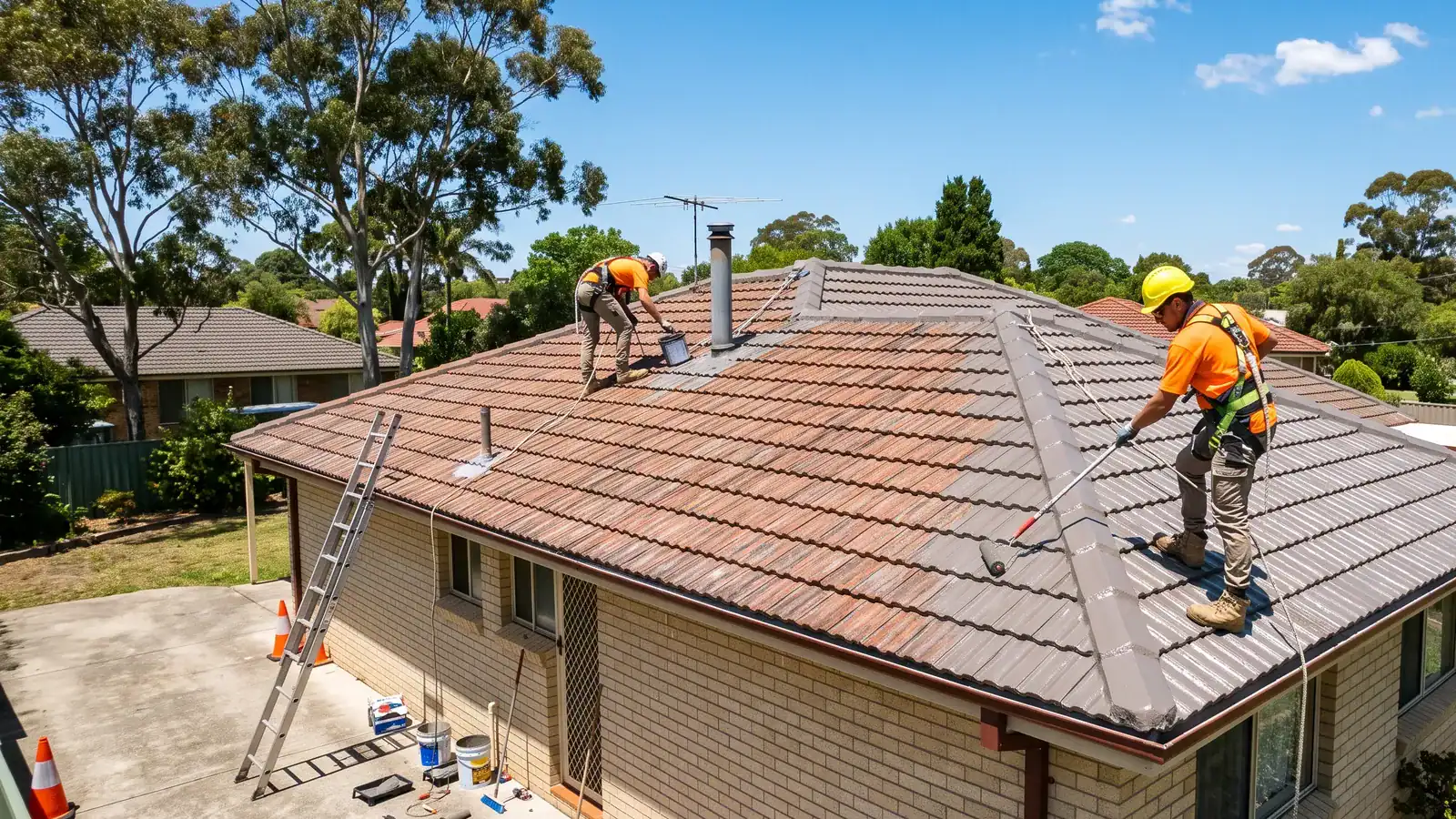
- Primer/sealer coat, if specified: apply the specified product at the required coverage and follow its drying and recoat instructions
- Top coats (if included): apply the number of coats and coverage specified for the system
- Final inspection: check coverage, look for missed spots, and clean up the site
The roofer should allow for repairs, drying and suitable weather when estimating the job duration. Rain, condensation or damp roofing can delay coating even when the surface looks ready.
If surface dirt is the main concern, ask whether roof cleaning on the Central Coast is sufficient before committing to a coating.
Ask for photos of suspect penetrations around vents, skylights and solar mounting points before they are covered. The roofer should identify whether the fault is a joint, flashing or damaged roofing material rather than spreading sealant over the whole area.
The handover should record the products used and maintenance instructions. Keep those with your quote so a later inspection can distinguish a local defect from coating deterioration.
Should You Do It Yourself?
Hardware stores sell roof sealants, but choosing a product is only one part of the job. Safe roof access, leak diagnosis and surface preparation are reasons to use a qualified roofer.
- Arrange safe access and fall protection before roof work starts.
- Match the product to the substrate and follow its application instructions.
- Find the cause of a leak before covering the visible gap.
- Keep checks from the ground; a low or single-storey roof can still present a serious fall risk.
SafeWork NSW’s guidance following a fall from a residential roof explains the need for properly planned fall protection and safe access. A ladder and a tube of sealant are not a roof-work safety plan.
Use the Service NSW builder and tradesperson licence checker to confirm licence details and the relevant work category. All Pro’s NSW Fair Trading licence number is 178790c.
Common Sealing Mistakes That Cost You Money
David has over 30 years of roofing experience on the Central Coast and Newcastle. These are preparation and product-selection mistakes to discuss before work starts.
- Sealing over dirt: a common cause of coating failure. No amount of good product fixes a filthy surface
- Using an unsuitable sealant: check exterior exposure and substrate compatibility rather than relying on a general waterproof label
- Ignoring broken tiles: sealing over a cracked tile does not stop water getting underneath it
- Applying in unsuitable weather: follow the product’s temperature, moisture and recoat limits; sunshine alone does not establish that a roof is dry
- Guessing the primer: use the specified preparation and compatible system on glazed tiles
A failed coating can mean paying for removal and preparation before the roof can be recoated. Ask the contractor how they will check the existing surface rather than simply adding another layer.
Frequently Asked Questions About Roof Sealing
Results and leak repairs
Does roof sealing really work?
Yes, a suitable coating can protect a correctly prepared, serviceable surface. It will not make damaged tiles, corroded sheets or failed flashing watertight.
- Repair defects first.
- Use products specified for the roof material.
- Follow the preparation and coating instructions.
What is the best sealant for a Colorbond or metal roof?
For Colorbond joints, BlueScope specifies compatible neutral-cure silicone, as linked in the sealant section above. A joint sealant is different from a coating used to repaint an entire roof.
If the finish is failing, assess whether full metal roof restoration for a deteriorated coating is needed rather than patch sealing.
Can roof sealing fix existing leaks?
A compatible joint sealant can form part of a targeted repair, but coating the roof will not fix broken tiles or failed flashing. Find and repair the water-entry point before applying a surface coating.
Maintenance and product choice
How often should a roof be resealed?
Base resealing on the coating’s condition and manufacturer’s maintenance instructions, rather than assuming every roof needs it after a fixed number of years. Flaking, chalking or recurring leaks justify an inspection.
Ask whether local repairs are sufficient before paying to recoat the entire roof.
Does roof sealing improve energy efficiency?
A reflective finish can reduce solar heat absorption, but a clear sealer should not be expected to cut cooling bills. Dulux describes its Acratex Cool Roof Residential coating as a reflective acrylic finish.
Indoor results depend on the roof colour, insulation, ventilation and the home’s design. Roof coating does not replace ceiling insulation or seal air leaks in the ceiling.
What is the best sealant for roof tiles?
Use a product system specified for the tile material and condition. A concrete-tile sealer is not automatically suitable for glazed terracotta, and the primer may require compatible top coats.
Ask for the product names and application specification before approving the job.
Can a roof repair sealer replace full repairs?
No, a surface sealer cannot replace broken tiles, failed flashing or deteriorated ridge capping. Plan professional roof repairs and restoration for damaged roofing before any coating goes on.
Is a roof seal the same as a roof sealant?
The terms overlap, so ask what the quote includes. A surface sealer prepares or protects roofing, while a cartridge sealant usually treats a specific joint or penetration.
Check whether you are buying a local leak repair, a primer coat or a complete coating system; they solve different problems.
What should I ask before accepting a roof sealing quote?
Ask for the measured area, required repairs, named products and preparation steps in writing. Confirm the total price, exclusions, access arrangements and warranty terms before work starts.
Photos of the defects and the completed preparation help you understand what the quote is paying for.
Stop Small Problems Before They Get Expensive
Roof sealing can be good value when the underlying roof is serviceable and the proposed system suits its surface. If repairs are substantial, compare the sealing quote with a properly scoped restoration before deciding.
The useful question is what the roof needs before coating starts. Proper cleaning, compatible products and a clear repair scope give you a better basis for comparing quotes.
Ready to protect your roof? David can assess roof repairs on the Central Coast, roof restoration in Lake Macquarie and roof restoration in Port Stephens, with Newcastle and the Hunter Valley also in All Pro’s service area.
Contact David for a free roof sealing quote and advice on whether your roof needs repairs, sealing, painting or a complete restoration.
- Ask for an inspection of the existing roof condition.
- Compare itemised repairs and coating specifications.
- Request a free quote before choosing the scope.